Donation & Charity(Food donati...
August 1, 2026
9 min read
Last updated: August 11, 2026
What is the Difference Between Pind Daan and Shradh?
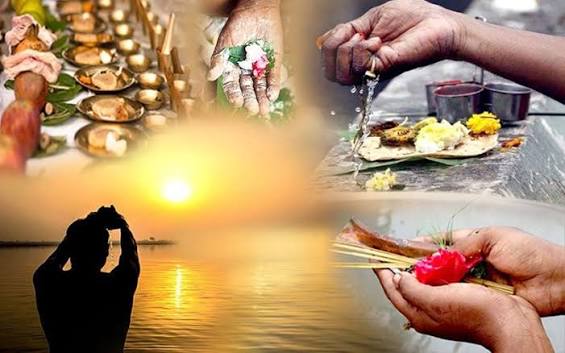
Pind Daan and Shradh are two terms that are frequently used together — and often confused as being the same thing. While deeply connected, they are not identical. One is a complete ceremony; the other is a specific ritual performed within it.
Understanding the difference helps you observe Pitru Paksha 2026 (September 26 – October 10) with clarity and ensures you fulfil your ancestral duties correctly — whether through traditional rites, modern Anna Daan, or both.
Want to honour your ancestors today? Donate on Pitru Paksha →
Shradh: The Complete Ceremony
Shradh (from the Sanskrit shraddha, meaning 'faith' or 'sincere devotion') refers to the entire set of rituals performed to honour and nourish the souls of departed ancestors. It is the umbrella term — the full ceremony — encompassing multiple individual rites performed in sequence.
Shradh typically includes:
- Sankalp: A solemn declaration of intent, naming the ancestor and lineage (gotra)
- Tarpan: Offering of water mixed with sesame seeds to quench the ancestor's spiritual thirst
- Pind Daan: Offering of rice and barley balls to nourish the ancestor's soul
- Brahmin Bhojan: Feeding priests as a proxy for nourishing the departed
- Daan: Charitable donations of food, clothing, and other items
In short: Shradh is the occasion. Pind Daan is one of the rituals performed during that occasion.
Pind Daan: A Specific Ritual Within Shradh
Pind Daan refers specifically to the offering of pindas — balls made of cooked rice, barley flour, sesame seeds, ghee, and honey — presented to the departed soul. The word itself combines 'pind' (a ball, also symbolically representing the physical body) and 'daan' (offering or gift).
"Anna danam param danam, vidya danam tatah param. Pitra-rin-vimochanam cha, pinda danam vishishyate. — Garuda Purana"
Pind Daan is believed to provide the departed soul with a symbolic body and sustenance during its journey toward liberation (moksha). It is considered one of the most powerful individual components of the broader Shradh ceremony.
Side-by-Side Comparison: Pind Daan vs Shradh
| Aspect | Shradh | Pind Daan |
| Definition | The complete ceremony honouring ancestors | A specific ritual offering within that ceremony |
| Scope | Broad — includes Tarpan, Pind Daan, Daan, Brahmin Bhoj | Narrow — one specific offering act |
| Meaning of word | 'Faith' / 'sincere devotion' (from shraddha) | 'Ball offering' (pind = ball/body, daan = gift) |
| What is offered | Water, food, rice balls, clothing, money | Rice and barley balls (pindas) specifically |
| Where performed | At home, temple, or sacred site | Often at sacred sites: Gaya, Haridwar, Prayagraj |
| Who performs it | Karta (eldest son) with family, guided by priest | Karta or priest, as part of larger Shradh |
| When performed | On ancestor's tithi or during Pitru Paksha | As one ritual step within the Shradh ceremony |
| Purpose | Overall remembrance, gratitude, and ancestral debt repayment | Specifically aids the soul's liberation (moksha) |
A Simple Analogy
Think of Shradh as a wedding ceremony and Pind Daan as the exchange of rings within it. The wedding (Shradh) is the full event — with multiple rituals, guests, and customs. The ring exchange (Pind Daan) is one specific, deeply symbolic act that happens during that event. You can't have a 'ring exchange' without it being part of some ceremony — but a wedding ceremony involves much more than just that one moment.
Similarly, Pind Daan cannot stand alone as a complete ancestral observance — it is always performed within the broader framework of Shradh, alongside Tarpan, Brahmin Bhojan, and Daan.
Why People Confuse the Two
The confusion is understandable for a few reasons:
- Pind Daan is often the most visually striking and discussed part of Shradh — especially when performed at sacred sites like Gaya, it gets the most media and cultural attention.
- In casual conversation, people often say 'doing Pind Daan' to mean 'performing the entire Shradh ceremony,' much like saying 'cutting the cake' to refer to an entire birthday celebration.
- Both rituals are deeply connected to the same goal: honouring ancestors and aiding their souls' journey — making the line between them feel blurry in everyday usage.
Tarpan: The Third Related Term
To complete the picture, it's worth distinguishing a third commonly confused term — Tarpan. While Pind Daan offers rice balls, Tarpan is the offering of water (mixed with black sesame seeds, barley, and Kusha grass) to the ancestors. It is usually performed before Pind Daan within the Shradh sequence, symbolically quenching the ancestor's thirst before the rice-ball offering nourishes their soul.
So the correct sequence within a Shradh ceremony typically looks like: Sankalp → Tarpan → Pind Daan → Brahmin Bhojan → Daan.
Can You Perform Shradh Without Pind Daan?
Yes — and this is an important, often overlooked point. While Pind Daan is a significant and meritorious ritual, Shradh can still be meaningfully observed without it, especially when:
- Travel to a sacred site isn't feasible
- A qualified priest isn't available to guide the precise ritual
- The family chooses to express their devotion primarily through Tarpan and Anna Daan (food donation)
In such cases, scriptures consistently affirm that Anna Daan — feeding the hungry in the ancestor's name — carries equally profound spiritual merit. The Garuda Purana explicitly ranks food donation among the highest forms of charity, on par with, and in some interpretations even above, the ritual offering of Pind Daan itself.
Fulfil Both Through Modern Anna Daan
If performing formal Pind Daan at a sacred site isn't possible this Pitru Paksha, you can still complete the full spirit of Shradh through simple home-based Tarpan combined with Anna Daan. Akshaya Chaitanya's Pitru Paksha programme allows you to dedicate fresh, nutritious meals in your ancestor's name — fulfilling the donation component of Shradh meaningfully and at scale.
Frequently Asked Questions
Q1: Is Pind Daan more important than the rest of Shradh?
Not necessarily more important — but it is considered a particularly powerful ritual for the soul's liberation (moksha). Each component of Shradh (Tarpan, Pind Daan, Daan) serves a distinct spiritual purpose, and together they form a complete observance.
Q2: Can I do Pind Daan without performing full Shradh?
Pind Daan is technically performed as part of the Shradh sequence, so it's unusual to do it in complete isolation. However, simplified versions exist for those with limited access to a full ceremony or priest, often guided remotely or through online Pind Daan services.
Q3: Do I need to visit Gaya to perform Pind Daan?
No. While Gaya, Haridwar, and Prayagraj are considered especially sacred for Pind Daan, the ritual can also be performed at home with a qualified priest's guidance, or through verified online Pind Daan services for those who cannot travel.
Q4: What's the difference between Shradh and Pitru Paksha?
Pitru Paksha is the 16-day time period (September 26 – October 10, 2026) during which Shradh rituals are most commonly performed. Shradh is the ritual itself; Pitru Paksha is the auspicious window during which it is traditionally observed.
Q5: If I only have time for one ritual, should I choose Tarpan, Pind Daan, or Anna Daan?
If choice is limited, scripture and tradition both strongly endorse Anna Daan as carrying the highest, most accessible spiritual merit — the Garuda Purana calls it Mahadaan, the greatest gift. Tarpan is the next most accessible (requiring no priest), while Pind Daan ideally benefits from professional guidance.
Understanding Leads to Meaningful Observance
Shradh is the complete act of devotion; Pind Daan is one of its most significant rituals. Knowing the difference helps you choose what's right for your family this Pitru Paksha — whether that's a full traditional ceremony, a simple Tarpan at home, or a heartfelt Anna Daan that feeds those in need in your ancestor's name.
This Pitru Paksha 2026, complete your Shradh with Akshaya Chaitanya — NGO in Mumbai.
Explore all giving options: Donate to NGO Online
Frequently Asked Questions
Take Action
Be the reason someone
eats tonight.
Join 12,000+ donors funding hot, freshly cooked meals across India. 100% transparent. Tax-exempt under 80G.
What our customers say


630+ reviews
as on 21/09/2026

Manogya Gondela
a month ago
I had the opportunity to donate and serve food at one of the hospitals that Akshaya Chaitanya serves. It was a wonderful experience and truly inspiring to be part of such a meaningful initiative. The food quality was excellent and well prepared. 10/10 experience ♥️

Abhijit Goldar
a month ago
Really grateful to have found them. They helped arrange a food donation event on very short notice. Everything was well coordinated, professionally managed, and photos were shared promptly after the event. Great work!

Avani Patel
4 months ago
It is wonderful to have an NGO like this for people who cannot always volunteer physically. The donation process is simple and convenient, and I appreciate receiving updates and photos showing the impact of every contribution.

namrata avaghade
5 months ago
It has been an amazing experience with Akshaya Chaitanya. The volunteers are very helpful, and the guidance from the team made everything easy and inspiring. Proud to be associated with an organization that serves with heart and purpose.

riddhi sonkar
6 months ago
I have been volunteering at this food donation camp for patients’ relatives and I am truly proud of the work we do. The meals are fresh, hygiene is maintained, and distribution is well organized. A wonderful initiative supporting families during difficult times.

Kishor Waghmare
a year ago
My family joined a food donation drive at Chhatrapati Shivaji Maharaj Hospital, Kalwa. It was a wonderful experience. The volunteers were supportive, the arrangements were excellent, and serving those in need brought joy to all of us. I encourage everyone to support this noble cause.
✅ FCRA Registered · 80G Tax Exempt · FSSAI Certified