Donation & Charity(Food donati...
September 4, 2026
10 min read
Last updated: September 4, 2026
Mahalaya Amavasya Across India: One Day, Many Names
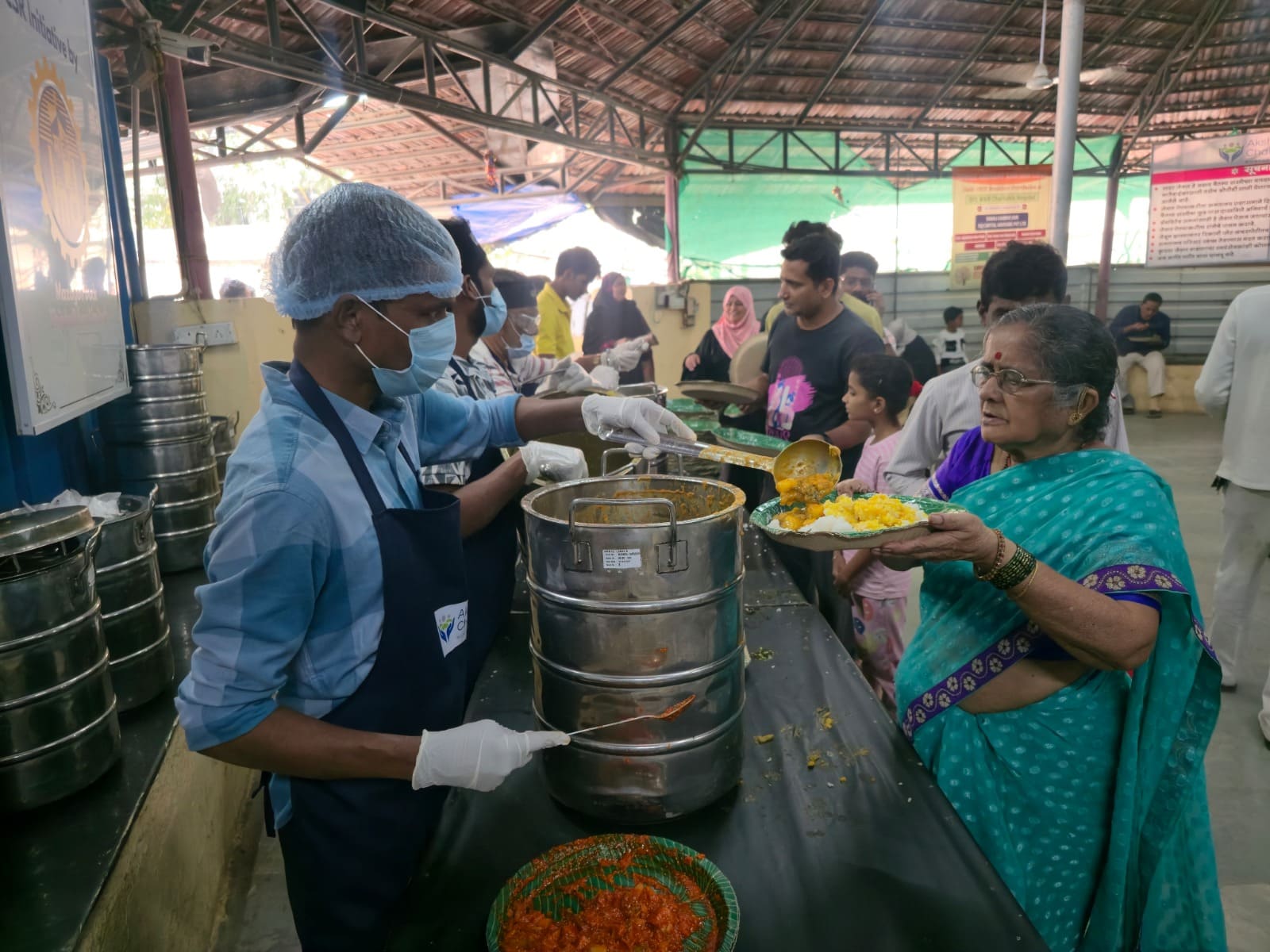
India's regional diversity means that even a single, universally observed occasion like the final day of Pitru Paksha can carry several different names, depending on where your family traditions come from. If you've grown up calling this day Peddala Amavasya rather than Mahalaya Amavasya, or heard a relative refer to it by a name that didn't quite match what you found searching online, you haven't stumbled onto a different festival — you've simply encountered one of India's many regional names for the exact same October 10, 2026 observance. This guide walks through the major regional variations and what stays constant across all of them.
Mahalaya Amavasya in Bengal & Eastern India
"Mahalaya" is the name most widely recognised nationally, and it carries particular cultural weight in Bengal, Odisha, and much of Eastern India. Here, the day is inseparable from the transition into Durga Puja season — the point at which Pitru Paksha's mourning gives way to Devi Paksha's celebration.
In Bengali households, Mahalaya morning is marked by a well-known ritual of its own: the broadcast of Birendra Krishna Bhadra's Mahishasura Mardini recitation, invoking Durga's arrival, traditionally heard before dawn. Ancestral rites are performed the same day, often at the local ghat or riverbank, before attention turns fully toward the approaching Puja. This dual character — ancestor remembrance in the morning, festive anticipation building through the day — is distinctly Bengali, even though the underlying Pitru Paksha tradition it closes is observed pan-India.
Peddala Amavasya in Andhra Pradesh & Telangana
In Telugu-speaking regions — Andhra Pradesh and Telangana — the same day is commonly known as Peddala Amavasya, sometimes spelled Pedda Amavasya, Pethara Amavasya, or Pettara Amavasya depending on the local dialect and transliteration. "Peddalu" refers to elders or forefathers, so the name translates roughly to "the Amavasya of the elders" — a direct parallel to "Sarva Pitru," even though the word itself is entirely different.
Observance in these regions follows familiar contours: Tarpan performed in the morning, often at a temple or river, followed by a meal offering — either cooked and shared with family and Brahmins, or, increasingly, donated to those in need as a modern equivalent. Peddala Amavasya is treated with the same seriousness as Mahalaya Amavasya elsewhere in India; the difference is entirely one of name and regional custom, not significance.
If you've searched for "Peddala Amavasya 2026" specifically, the date is the same as Mahalaya Amavasya nationally: Saturday, October 10, 2026.
Mahalaya Amavasya in Tamil Nadu
In Tamil Nadu, the day is generally recognised within the broader framework of Amavasai Tharpanam — Amavasya offerings for ancestors, which are actually performed monthly in many Tamil households, with the Amavasya at the close of Pitru Paksha (referred to in Tamil contexts as Mahalaya Paksham or Pitru Paksham) carrying the same elevated significance as elsewhere in India.
Tamil tradition places particular emphasis on Tharpanam performed at specific tirthas (sacred water sites), with many families making a point of visiting a temple tank, river, or the sea specifically for this occasion, even if they don't observe monthly Tharpanam as strictly throughout the rest of the year. The core ritual — water and sesame offered to ancestors, followed by a meal offering — mirrors the practice observed under other regional names.
Other Regional Threads Worth Knowing
Beyond Bengal, Andhra/Telangana, and Tamil Nadu, several other regions carry their own inflections on the same observance, even without a distinct standalone name for the day itself. In Maharashtra and much of North India, the day is generally referred to simply as Sarvapitri Amavasya or Mahalaya Amavasya, folded into the broader Pitru Paksha (also called Shraddha Paksha or Kanagat in parts of North India) framework without a separate regional term — though the ritual emphasis on it being the most important day of the fortnight is just as strong.
In Karnataka, the day is often discussed within the context of Mahalaya Paksha more broadly, with many Kannadiga families observing Tarpan at home or at a nearby temple, again culminating in a meal offering. Odisha, closely aligned with Bengali tradition given geographic and cultural proximity, largely mirrors the Mahalaya framing, including the same anticipatory shift toward Durga Puja.
What's notable across all of these regional threads is how little the underlying structure actually changes. Language shifts. Specific customary details — which temple, which river, which particular food is offered — shift. But the fundamental architecture of the day (a final, universal offering that closes a period of ancestral remembrance) holds remarkably steady from Bengal to Tamil Nadu to Andhra Pradesh.
What Stays the Same Across Every Tradition?
Despite the different names, three things remain constant no matter which region's tradition you follow:
- The date. Whether you call it Mahalaya Amavasya, Peddala Amavasya, Sarva Pitru Amavasya, or simply "the last day of Pitru Paksha," the observance falls on the same day everywhere in India — October 10, 2026 — since it follows the same lunar calendar nationally.
- The purpose. Every regional tradition treats this day as the moment to honour ancestors collectively, particularly those whose individual death dates aren't known or remembered.
- Anna Daan as an expression of the day. Across every region, feeding others — whether through a formal Brahmin Bhojan, a community meal, or a donation to those in need — is recognised as a core part of the observance, not a modern add-on to it.
This last point matters especially if your family's regional tradition feels distant to you, whether because you've moved away from the community that practised it, lost touch with the specific rituals, or simply never learned them in detail. The single element that carries across every regional name for this day — feeding someone in your ancestors' honour — remains fully accessible regardless of which tradition you grew up with, or didn't.
This is particularly relevant for the many Indian families now living outside the regions their traditions originated in — a Telugu family settled in Mumbai, a Tamil household in Delhi, a Bengali family raising children abroad. Regional ritual specifics (which temple, which priest, which particular food) can be genuinely hard to replicate outside the community that shaped them. But Anna Daan requires none of that context. It travels intact across geography in a way that more location-specific customs sometimes can't, which is part of why it has remained the common thread across every regional expression of this day, even as families have moved further from their ancestral regions over generations.
Honour Your Ancestors, Wherever Your Roots Are
Whether your family calls this day Mahalaya Amavasya, Peddala Amavasya, Sarvapitri Amavasya, or something else entirely passed down through your own regional or family tradition, the act at the centre of it is the same: turning remembrance into an act of care for someone in need.
Akshaya Chaitanya makes that act simple and accessible regardless of where your family's traditions originate. Every ₹25 you donate funds one complete, hot meal served to a patient in a Mumbai government hospital or a child in a municipal school — the same underlying gesture that Peddala Amavasya, Mahalaya Amavasya, and every regional variation of this day has always asked of the living: to feed someone else in memory of those who once fed you.
You'll receive an 80G tax exemption receipt regardless of which name you know this day by, and if you'd like, WhatsApp confirmation showing your Anna Daan being served on October 10.
If your family observes the fuller 16-day Pitru Paksha period rather than focusing on this single day, our complete Pitru Paksha donation programme runs throughout, and you can explore the full tithi calendar here to find the day specific to your own family's tradition.
Donate on Mahalaya Amavasya, however your family names it →
Frequently Asked Questions
Is Peddala Amavasya the same as Mahalaya Amavasya?
Yes. Peddala Amavasya is the Telugu name for the same day observed as Mahalaya Amavasya, Sarva Pitru Amavasya, or Sarvapitri Amavasya elsewhere in India — all fall on October 10, 2026.
Why does the same day have so many different names across India?
India's regional and linguistic diversity means the same lunar-calendar occasion is described using different words in different traditions — Sanskrit/Hindi terms like "Mahalaya" and "Sarva Pitru," Telugu terms like "Peddala," and Tamil frameworks built around "Tharpanam" — while referring to the identical date and purpose.
Does the ritual itself differ by region?
The core elements — Tarpan (water and sesame offerings) and a meal offering, whether shared or donated — are broadly consistent across regions, though specific customs, preferred ritual sites, and accompanying practices vary by local tradition.
Can I donate for this day regardless of which regional tradition my family follows?
Yes — Akshaya Chaitanya's Mahalaya Amavasya donation page is open to anyone honouring the day, whatever name or regional custom your family observes it under.
Whatever your family calls this day, donate a meal and carry the tradition forward.
Frequently Asked Questions
Take Action
Be the reason someone
eats tonight.
Join 12,000+ donors funding hot, freshly cooked meals across India. 100% transparent. Tax-exempt under 80G.
What our customers say


630+ reviews
as on 22/10/2026

Manogya Gondela
a month ago
I had the opportunity to donate and serve food at one of the hospitals that Akshaya Chaitanya serves. It was a wonderful experience and truly inspiring to be part of such a meaningful initiative. The food quality was excellent and well prepared. 10/10 experience ♥️

Abhijit Goldar
a month ago
Really grateful to have found them. They helped arrange a food donation event on very short notice. Everything was well coordinated, professionally managed, and photos were shared promptly after the event. Great work!

Avani Patel
4 months ago
It is wonderful to have an NGO like this for people who cannot always volunteer physically. The donation process is simple and convenient, and I appreciate receiving updates and photos showing the impact of every contribution.

namrata avaghade
5 months ago
It has been an amazing experience with Akshaya Chaitanya. The volunteers are very helpful, and the guidance from the team made everything easy and inspiring. Proud to be associated with an organization that serves with heart and purpose.

riddhi sonkar
6 months ago
I have been volunteering at this food donation camp for patients’ relatives and I am truly proud of the work we do. The meals are fresh, hygiene is maintained, and distribution is well organized. A wonderful initiative supporting families during difficult times.

Kishor Waghmare
a year ago
My family joined a food donation drive at Chhatrapati Shivaji Maharaj Hospital, Kalwa. It was a wonderful experience. The volunteers were supportive, the arrangements were excellent, and serving those in need brought joy to all of us. I encourage everyone to support this noble cause.
✅ FCRA Registered · 80G Tax Exempt · FSSAI Certified