Donation & Charity
September 4, 2026
10 min read
Last updated: September 4, 2026
Sarva Pitru Amavasya & Moksha: What It Means to Honour All Ancestors Together
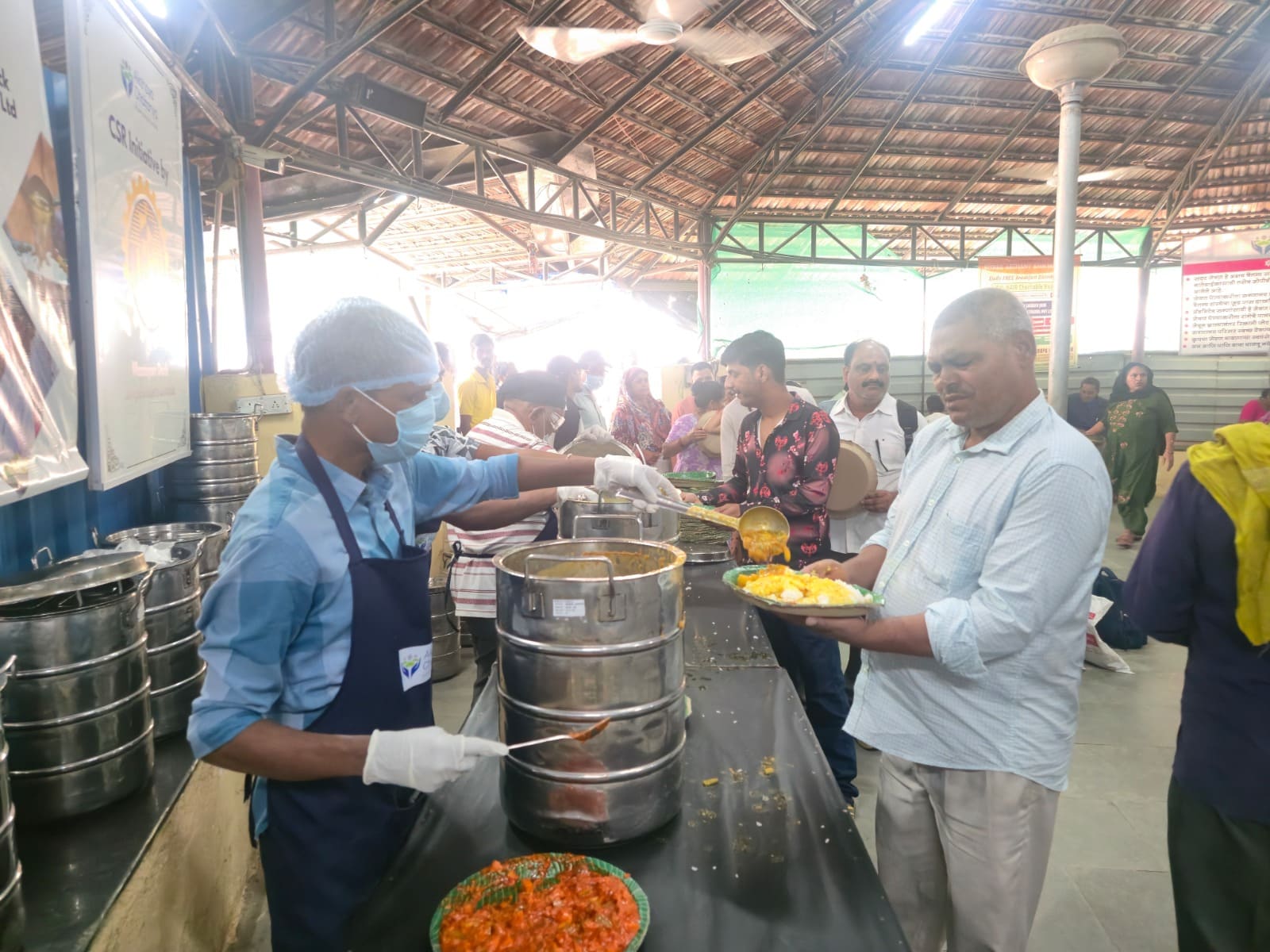
There's a particular kind of grief that comes from not knowing — not knowing when a great-grandparent passed, not knowing their name with certainty, not knowing whether anyone still remembers them at all. Sarva Pitru Amavasya, falling on October 10, 2026, exists specifically to answer that grief. Where the rest of Pitru Paksha asks you to remember precisely, this final day asks only that you remember collectively — and in doing so, it touches one of the deepest concepts in Hindu ancestral tradition: moksha, the liberation of the soul.
What Does "Sarva Pitru" Mean?
"Sarva" means all, or every; "Pitru" refers to ancestors or forefathers. Put together, Sarva Pitru Amavasya translates plainly as "the new-moon day of all ancestors" — and that literal meaning is also a precise description of what the day does ritually. Unlike the 15 preceding days of Pitru Paksha, each tied to one lunar tithi and, by extension, to the ancestors who passed on that specific date, Sarva Pitru Amavasya makes no such distinction. It is offered collectively, for every ancestor a family carries, whether three generations back or thirteen.
This is also sometimes called Sarva Pitru Shradh — the Shradh ritual performed for all ancestors — emphasising the ritual act itself rather than the date it falls on. Both terms point to the same practice and the same day.
The Concept of Moksha in Pitru Paksha Tradition
Moksha — liberation from the cycle of death and rebirth — is one of the four central aims of life in Hindu philosophy, alongside dharma (duty), artha (prosperity), and kama (desire). While moksha is most commonly discussed in the context of an individual's own spiritual practice during their lifetime, Pitru Paksha tradition extends the concept outward: the living can actively assist departed ancestors on their own journey toward liberation, through Shradh, Tarpan, and Pind Daan.
This is part of what makes Pitru Paksha spiritually distinctive. It isn't only about remembrance — it's framed as active assistance. An ancestor whose soul remains restless, unsettled, or bound by unresolved karmic ties is believed to be aided toward peace through the sincere rituals performed by their descendants. Sarva Pitru Amavasya is considered the most potent single opportunity to offer that assistance, precisely because it reaches every ancestor at once rather than one individual at a time.
The legend of Karna from the Mahabharata is often cited to illustrate this principle. When the warrior Karna died and reached the celestial realm, he was offered gold and jewels as sustenance — reflecting the immense wealth he had donated throughout his life. Confused, he asked why he wasn't given real food. Indra explained: Karna had given gold generously, but had never once donated food specifically in his ancestors' name. Karna was granted sixteen days back on Earth to correct this — offering food in place of gold — and that sixteen-day period is what we now observe as Pitru Paksha. The story's core lesson, that Anna Daan specifically (not just charity in general) is what ancestors are believed to need and value, applies with particular force to Sarva Pitru Amavasya, the day the story's sixteen-day window ultimately closes.
Why Collective Shradh Is Considered Complete for Every Ancestor
A natural question follows: if individual tithi Shradh is considered the more precise, traditionally "correct" form of the ritual, why is a single collective day considered sufficient for everyone?
The scriptural reasoning rests on a few converging ideas. First, that intention and sincerity, not procedural precision, are what generate spiritual merit — a principle repeated throughout Hindu ethical and ritual texts. Second, that Sarvapitri Amavasya's timing itself, at the exact close of the lunar fortnight most associated with ancestral presence on the earthly plane, carries inherent power independent of which specific ancestor is being addressed. And third — perhaps most practically — that tradition has always had to account for the reality that perfect ancestral knowledge is rare. Families lose records. Generations pass. Names fade even when love and gratitude don't. A tradition that only worked for those with complete genealogical knowledge would exclude most people within a few generations. Sarva Pitru Amavasya closes that gap by design.
Who This Day Is Especially Meant For
While Sarva Pitru Amavasya is open to anyone, certain situations make it particularly the right day to observe:
- You don't know your ancestor's date of death. This is the single most common reason people specifically seek out this day rather than trying to identify an individual tithi.
- You want to honour multiple generations together — grandparents, great-grandparents, and further back — rather than performing separate rituals for each.
- You missed an earlier day of Pitru Paksha and want a complete, valid way to observe the period even having missed your ancestor's specific tithi. The full Pitru Paksha 2026 tithi calendar shows exactly which day would have applied, if you're curious, but Sarva Pitru Amavasya remains a complete substitute regardless.
- Your family's tradition has historically observed only this one day, rather than the full fortnight — a common practice among families with less access to detailed ritual knowledge or priestly guidance.
If any of these describe your situation, tradition is unambiguous: this day is not a lesser or fallback option. It is, if anything, considered the most powerful single day in the entire ancestral calendar.
A Note on Ancestors Without Descendants to Remember Them
There's a quieter dimension to Sarva Pitru Amavasya worth naming directly: some ancestors, further back in any family's line, have no living descendant who remembers them specifically at all. Lines end, families scatter, records are lost to migration, partition, or simply the passage of enough generations. Classical tradition doesn't treat this as a gap to be mourned helplessly — it treats it as precisely the situation Sarva Pitru Amavasya was designed to address.
Because the day's offering is directed at "all ancestors" rather than named individuals, it is considered to reach even those for whom no one living holds a specific memory. In a sense, this is the day's quiet promise: that no ancestor is permanently beyond the reach of remembrance, as long as someone, somewhere in the extended family line, observes this one collective day with sincerity. For families who have lost touch with detailed genealogy — which, over enough generations, is nearly every family — this is often the most emotionally resonant part of the tradition.
One Act, Every Ancestor Honoured
The practical expression of Sarva Pitru Amavasya's collective, moksha-oriented purpose is, again, Anna Daan — feeding those in need, in your ancestors' name. Because the day's ritual power is understood to extend across your entire ancestral line rather than one relative, a single act of food donation on October 10 is considered to carry that same collective reach.
With Akshaya Chaitanya, this becomes tangible and immediate: your donation funds a hot, fresh meal served the same day to a patient across one of 31+ government hospitals or a child across 172+ municipal schools in Mumbai. Every ₹25 provides one complete meal, with an 80G tax exemption receipt and optional WhatsApp confirmation of your Anna Daan being served — a modern, direct expression of exactly what Sarva Pitru Shradh has always asked: turning remembrance into sustenance for the living.
If your family observes the full Pitru Paksha period rather than concentrating on this closing day alone, Akshaya Chaitanya's Pitru Paksha donation programme runs across all 16 days, letting you contribute on your ancestor's specific tithi as well as on this universal closing date.
Offer Sarva Pitru Shradh through Anna Daan today →
Frequently Asked Questions
What does Sarva Pitru Amavasya mean, literally?
"Sarva Pitru" translates to "all ancestors," and "Amavasya" refers to the new-moon day. Together, the term describes the day dedicated to collective ancestral remembrance — October 10, 2026.
How does Sarva Pitru Amavasya relate to moksha?
Hindu tradition holds that sincere Shradh performed by descendants can assist departed ancestors toward moksha, or liberation. Sarva Pitru Amavasya is considered the most potent single day for this, since its offering is believed to reach the entire ancestral line at once.
Is collective Shradh on this day as effective as individual tithi Shradh?
Yes, according to tradition — the day's inherent timing and universal scope are considered to make it a complete and valid form of Shradh for every ancestor, regardless of whether their specific tithi is known.
What if I want to honour a specific ancestor as well as observe this collective day?
Both are entirely compatible. You can observe your ancestor's specific tithi using the full Pitru Paksha calendar and still mark Sarva Pitru Amavasya separately as a collective closing observance — many families do both.
This Mahalaya Amavasya, offer Anna Daan for every ancestor your family carries — known and unknown alike.
Frequently Asked Questions
Take Action
Be the reason someone
eats tonight.
Join 12,000+ donors funding hot, freshly cooked meals across India. 100% transparent. Tax-exempt under 80G.
What our customers say


630+ reviews
as on 22/10/2026

Manogya Gondela
a month ago
I had the opportunity to donate and serve food at one of the hospitals that Akshaya Chaitanya serves. It was a wonderful experience and truly inspiring to be part of such a meaningful initiative. The food quality was excellent and well prepared. 10/10 experience ♥️

Abhijit Goldar
a month ago
Really grateful to have found them. They helped arrange a food donation event on very short notice. Everything was well coordinated, professionally managed, and photos were shared promptly after the event. Great work!

Avani Patel
4 months ago
It is wonderful to have an NGO like this for people who cannot always volunteer physically. The donation process is simple and convenient, and I appreciate receiving updates and photos showing the impact of every contribution.

namrata avaghade
5 months ago
It has been an amazing experience with Akshaya Chaitanya. The volunteers are very helpful, and the guidance from the team made everything easy and inspiring. Proud to be associated with an organization that serves with heart and purpose.

riddhi sonkar
6 months ago
I have been volunteering at this food donation camp for patients’ relatives and I am truly proud of the work we do. The meals are fresh, hygiene is maintained, and distribution is well organized. A wonderful initiative supporting families during difficult times.

Kishor Waghmare
a year ago
My family joined a food donation drive at Chhatrapati Shivaji Maharaj Hospital, Kalwa. It was a wonderful experience. The volunteers were supportive, the arrangements were excellent, and serving those in need brought joy to all of us. I encourage everyone to support this noble cause.
✅ FCRA Registered · 80G Tax Exempt · FSSAI Certified