Donation & Charity
August 2, 2026
9 min read
Last updated: August 2, 2026
Things to Avoid Donating on Shradh: What Not to Give During Pitru Paksha
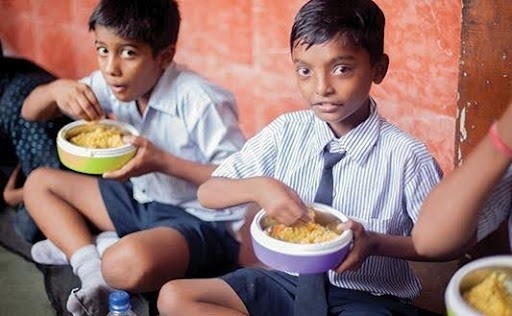
Donating during Shradh and Pitru Paksha is one of the most meritorious acts in Hindu tradition. But not every gift is considered appropriate. Scriptures and tradition are quite specific about what should never be offered during this sacred period — because an unsuitable donation is believed to bring no merit, or worse, displease the ancestors it was meant to honour.
This guide lists exactly what to avoid donating during Shradh, why these restrictions exist, and what you should give instead to make your Pitru Paksha 2026 (September 26 – October 10) donations truly meaningful.
Looking for the right way to give? Donate on Pitru Paksha →
Why Donation Restrictions Exist During Shradh
Shradh donations are not ordinary charity — they are offerings meant to nourish the souls of departed ancestors and fulfil one's Pitru Rina (ancestral debt). Because the act carries deep spiritual significance, scriptures like the Garuda
Purana and Manu Smriti specify both what should be given and what must be strictly avoided, to ensure the offering reaches the ancestor in its purest, most acceptable form.
"An offering made with impurity or carelessness brings no peace to the ancestor — only an offering made with sattvic intention and material purity is accepted. — Traditional Shradh Teaching"
Items You Should NOT Donate During Shradh
1. Non-Vegetarian Food or Eggs
Meat, fish, eggs, and any non-vegetarian preparation are strictly avoided as Shradh offerings. The entire Pitru Paksha period calls for sattvic (pure, vegetarian) food — both for consumption and for donation. Donating non-vegetarian items is considered to directly violate the spirit of the ritual.
2. Onion and Garlic-Based Food
Any cooked food containing onion or garlic — even as a minor ingredient — should not be offered or donated during Shradh. These are classified as 'rajasic/tamasic' foods believed to agitate the mind rather than support spiritual purity.
3. Stale, Spoiled, or Leftover Food
Donating food that is stale, reheated, or spoiled is considered highly inauspicious. Shradh donations — particularly Anna Daan — must be freshly prepared. The Garuda Purana emphasizes that the freshness and purity of the offering directly affects whether the ancestor's soul accepts it.
4. Specific Prohibited Lentils and Spices
Traditional guidelines specifically exclude certain ingredients from Shradh food and donations:
- Masoor dal (red lentils)
- Kali urad (black gram)
- Chana (chickpeas) and rajma (kidney beans)
- Black jeera (cumin), black salt, and black mustard
- Brinjal (eggplant/baingan)
- Hing (asafoetida) in some regional traditions
5. Used or Old Clothing
If donating Vastra Daan (clothing) as part of Shradh, the items should be new or in pristine, unused condition. Donating worn-out, torn, or used personal clothing — especially anything belonging to the deceased themselves — is considered inappropriate and inauspicious.
6. Iron Items or Vessels
Iron is specifically avoided in all Shradh-related giving — whether as a donation item or as a vessel used in the ritual. Tradition holds that iron carries 'heavy' or inauspicious energy unsuitable for ancestral offerings. Copper, silver, gold, or bronze are the prescribed alternatives.
7. Black or Red Flowers, and Certain Scented Flowers
If flowers are part of your donation or offering, avoid black and red varieties, as well as specific types like Kadamb, Kevada, Bilvapatra, Karvir, and Maulsire, which are considered unsuitable for Shradh rituals according to traditional texts.
8. Alcohol, Tobacco, or Intoxicants — In Any Form
Needless to say, alcohol, tobacco, paan masala, or any intoxicant should never form part of a Shradh donation, even if intended as a gift to attendants or helpers. These substances are believed to nullify the merit of any accompanying charitable act.
9. Money or Gifts Given Without Sankalp (Intention)
A purely transactional donation — handed over without invoking the ancestor's name or setting a sincere intention (sankalp) — is considered spiritually incomplete. Tradition holds that the dakshina or gift should be offered respectfully, ideally placed on a tray, not handed over casually like a tip or fee.
10. Items Touched or Used by the Deceased (Without Purification)
Personal belongings of the deceased — their clothes, jewellery, or daily-use items — are generally not given away as part of Shradh donation unless they have undergone a recognised purification process, as guided by a priest. Many families choose instead to donate equivalent new items in the ancestor's memory.
Quick Reference: Avoid vs. Prefer
| ❌ Avoid Donating | ✅ Donate Instead |
| Non-vegetarian food / eggs | Fresh sattvic vegetarian meals |
| Onion, garlic-based dishes | Pure, simple home-style food |
| Stale or leftover food | Freshly cooked Anna Daan |
| Used / worn-out clothing | New clothes, or cash equivalent |
| Iron vessels or items | Copper, silver, bronze, or steel |
| Alcohol or intoxicants | Dakshina (money), grains, ghee |
| Black / red / strong-scented flowers | White or light-coloured flowers, tulsi |
| Untraceable or unverified charity | Verified NGOs with transparent impact |
What You Should Donate Instead: The Right Way to Give
Once you know what to avoid, the right path becomes clear. Scriptures consistently endorse these forms of Shradh daan:
- Anna Daan (Food Donation): Fresh, sattvic, nutritious meals — the highest form of charity according to the Garuda Purana.
- Til Daan (Sesame Seeds): Black sesame seeds, considered highly auspicious for ancestral offerings.
- Vastra Daan (New Clothing): Clean, new garments donated to priests or the needy.
- Dhaanya Daan (Grains): Rice, wheat, and other cereals offered with sincere intention.
- Jal Daan (Water): Clean drinking water, especially meaningful given how central water offerings (Tarpan) are to Shradh.
- Monetary Donations to Verified Organisations: Contributing to a transparent, registered NGO ensures your daan reaches genuine beneficiaries efficiently.
The Safest Way to Donate Correctly: Through a Trusted NGO
One of the simplest ways to avoid all the pitfalls above is to channel your Shradh donation through a verified, transparent organisation. When you donate food through Akshaya Chaitanya, every meal is freshly prepared in our FSSAI-certified kitchen in Byculla, Mumbai — strictly vegetarian, hygienic, and dedicated in your ancestor's name.
This removes the guesswork around 'what to avoid' entirely: your Anna Daan is prepared correctly, distributed transparently, and accompanied by an 80G tax receipt and an optional digital certificate bearing your ancestor's name.
→ Donate on Pitru Paksha with confidence
Frequently Asked Questions
Q1: Can I donate money instead of food during Shradh?
Yes. Monetary donations (dakshina) are an accepted and important part of Shradh, especially when given to priests performing the rituals or to verified charitable organisations that can convert funds into meals and essentials efficiently.
Q2: Is it wrong to donate old clothes during Pitru Paksha?
For formal Shradh rituals involving a priest, new clothing is preferred. However, donating gently used, clean clothing to the needy as a separate act of charity during Pitru Paksha is still a meaningful and welcomed gesture — it simply isn't the prescribed Vastra Daan for the ritual itself.
Q3: What happens if I unknowingly donate a restricted item?
Tradition emphasizes sincerity of intention above ritual perfection. If a mistake happens unknowingly, scriptures suggest it does not nullify the broader merit of your devotion — but going forward, following the guidelines helps ensure your offerings are fully accepted in spirit.
Q4: Can I donate to multiple causes during Pitru Paksha, not just food?
Yes. While Anna Daan is the highest-ranked donation, contributing to causes like education, healthcare, or cow shelters (Gau Seva) in your ancestor's name is also considered meritorious, as long as the items and intent align with the guidelines above.
Q5: Does donating online count the same as donating in person?
Yes. What matters spiritually is the sincerity of your sankalp (intention) and the purity of what is given — not the physical mode of transfer. Online donations to verified NGOs fulfil the same spiritual purpose as in-person giving.
Give Right. Give With Meaning.
Shradh donation is not about quantity — it is about the purity of intention and the appropriateness of the offering. By avoiding the items above and choosing fresh, sattvic, verified giving instead, you ensure that your Pitru Paksha 2026 donation truly honours your ancestors the way scripture intends.
This Pitru Paksha, donate the right way with Akshaya Chaitanya — NGO in Mumbai.
Explore all giving options: Donate to NGO Online
Frequently Asked Questions
Take Action
Be the reason someone
eats tonight.
Join 12,000+ donors funding hot, freshly cooked meals across India. 100% transparent. Tax-exempt under 80G.
What our customers say


630+ reviews
as on 02/08/2026

Manogya Gondela
a month ago
I had the opportunity to donate and serve food at one of the hospitals that Akshaya Chaitanya serves. It was a wonderful experience and truly inspiring to be part of such a meaningful initiative. The food quality was excellent and well prepared. 10/10 experience ♥️

Abhijit Goldar
a month ago
Really grateful to have found them. They helped arrange a food donation event on very short notice. Everything was well coordinated, professionally managed, and photos were shared promptly after the event. Great work!

Avani Patel
4 months ago
It is wonderful to have an NGO like this for people who cannot always volunteer physically. The donation process is simple and convenient, and I appreciate receiving updates and photos showing the impact of every contribution.

namrata avaghade
5 months ago
It has been an amazing experience with Akshaya Chaitanya. The volunteers are very helpful, and the guidance from the team made everything easy and inspiring. Proud to be associated with an organization that serves with heart and purpose.

riddhi sonkar
6 months ago
I have been volunteering at this food donation camp for patients’ relatives and I am truly proud of the work we do. The meals are fresh, hygiene is maintained, and distribution is well organized. A wonderful initiative supporting families during difficult times.

Kishor Waghmare
a year ago
My family joined a food donation drive at Chhatrapati Shivaji Maharaj Hospital, Kalwa. It was a wonderful experience. The volunteers were supportive, the arrangements were excellent, and serving those in need brought joy to all of us. I encourage everyone to support this noble cause.
✅ FCRA Registered · 80G Tax Exempt · FSSAI Certified