Employee Volunteering
August 1, 2026
9 min read
Last updated: August 1, 2026
What You Should NOT Do on Shradh and Pitru Paksha 2026
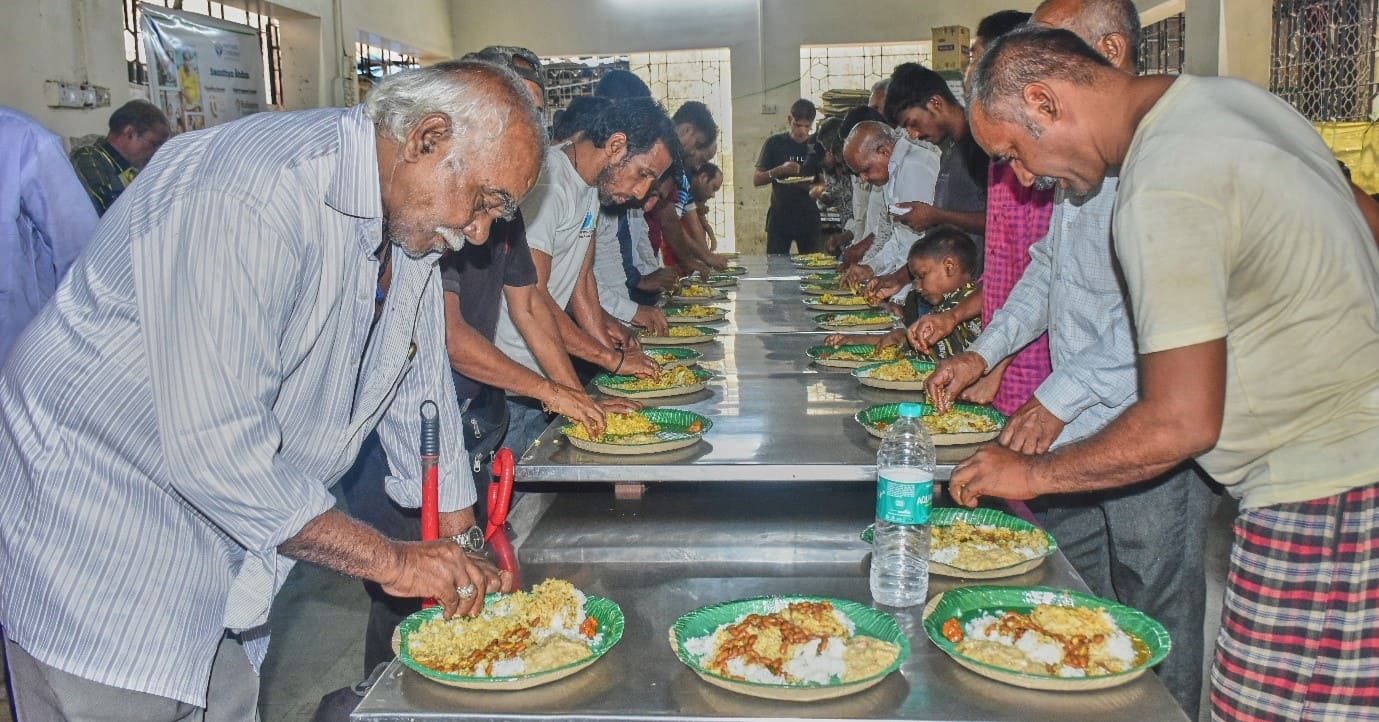
Pitru Paksha (September 26 – October 10, 2026) is considered a deeply solemn period — one dedicated entirely to ancestors, not celebration. Hindu tradition lays out a fairly clear set of restrictions for this fortnight, rooted in the belief that certain activities can disrupt the sanctity of the observance or unintentionally displease the souls being honoured.
This guide lists everything you should avoid during Shradh and Pitru Paksha — covering major life events, diet, personal grooming, and conduct — so you can observe the period correctly and respectfully.
Want to make sure your giving is done right? Donate on Pitru Paksha →
1. Avoid Major Life Events and Auspicious Beginnings
Pitru Paksha is explicitly not considered an auspicious time for new beginnings. Traditionally avoided activities include:
- Weddings or engagement ceremonies
- Moving into a new house (housewarming / Griha Pravesh)
- Starting a new business or signing major contracts
- Buying a new vehicle, property, or other major purchases
- Celebrating birthdays elaborately, or naming ceremonies for newborns
These restrictions stem from the belief that Pitru Paksha is a period of remembrance and ancestral focus — not celebration — and mixing the two is considered inappropriate.
2. Avoid Buying or Wearing New Clothes (For Personal Use)
Purchasing new clothes for yourself during Pitru Paksha is traditionally discouraged, as it is associated with festivity rather than the contemplative spirit the period calls for. (Note: this differs from donating new clothes to a priest or the needy, which remains an encouraged act of charity.)
3. Avoid Certain Personal Grooming Practices
Those performing Shradh rituals — and in some traditions, the entire family — are advised to avoid:
- Cutting hair or shaving, particularly close to or on Mahalaya Amavasya
- Cutting nails
- Oil massages and elaborate grooming routines
4. Avoid Non-Vegetarian Food, Onion, and Garlic
A strict sattvic (pure vegetarian) diet is expected throughout Pitru Paksha. This means:
- No meat, fish, or eggs
- No onion or garlic in any preparation
- No brinjal (eggplant), as per several regional traditions
- Avoid specific lentils: masoor dal, kali urad, chana, and rajma
- No outside or restaurant food — only home-cooked, fresh meals
5. Avoid Alcohol, Tobacco, and Intoxicants
Consuming alcohol, smoking, or chewing tobacco during Pitru Paksha is considered to directly undermine the merit of any rituals or donations performed during the period. Those observing Shradh are expected to maintain complete sobriety and discipline.
6. Avoid Physical Intimacy (Celibacy is Expected)
Those actively performing Shradh rituals and Tarpan are traditionally expected to observe celibacy throughout Pitru Paksha, reflecting the disciplined, contemplative nature of the period.
7. Avoid Harsh Words, Lies, and Conflict
Since ancestors are believed to visit their descendants in various forms during this period, maintaining gentle, honest, and respectful conduct is considered essential. Avoid:
- Arguments or conflicts within the family
- Lying or speaking harshly to others
- Cursing or wishing ill upon anyone
8. Avoid Using Iron Vessels or Seating
Iron is considered unsuitable for any aspect of the Shradh ritual — whether for cooking, serving, or as seating material. Traditional alternatives include copper, silver, gold, or bronze vessels, and seating made of wool, silk, or wood.
9. Avoid Performing Rituals at the Wrong Time
Shradh karma should never be performed during the evening, night, dawn, or dusk. The prescribed window is Aparahna Kaal — the early-to-mid afternoon — as specifically detailed in the Manu Smriti. Performing rituals outside this window is considered to reduce their spiritual effectiveness.
10. Avoid Harming Animals — Especially Crows, Dogs, and Cows
Since ancestors are believed to potentially visit in the form of animals — particularly crows, dogs, and cows — harming or chasing away any animal that comes to your home during Pitru Paksha is strictly discouraged. Instead, such visitors should be fed and treated kindly.
11. Avoid Donating Inappropriate Items
Certain items are specifically considered unsuitable for Shradh donation: stale or non-vegetarian food, used clothing (for formal Vastra Daan), iron items, and black or red flowers. (For a complete breakdown, refer to our dedicated guide on things to avoid donating during Shradh.)
12. Avoid Casual or Distracted Ritual Performance
Performing Tarpan, Pind Daan, or Shradh mantras while distracted, multitasking, or pausing mid-ritual to talk to others is discouraged. Tradition holds that rituals performed without focus and devotion carry diminished spiritual merit.
13. Avoid Skipping the Ritual Entirely Out of Convenience
While elaborate observance isn't mandatory for everyone, completely neglecting Pitru Paksha — without even a simple Tarpan or act of remembrance — is considered a missed opportunity to fulfil one's Pitru Rina (ancestral debt). Even a small, sincere gesture is far better than none.
Quick Reference: Pitru Paksha Restrictions at a Glance
| Category | Avoid |
| Life Events | Weddings, housewarming, new business, major purchases |
| Grooming | Haircuts, shaving, nail-cutting, oil massages |
| Diet | Non-veg, onion, garlic, restricted lentils, outside food |
| Substances | Alcohol, tobacco, intoxicants |
| Conduct | Arguments, lies, harsh words, physical intimacy |
| Ritual Materials | Iron vessels/seating, red/black flowers |
| Timing | Evening, night, dawn, or dusk rituals |
| Animals | Harming or chasing away crows, dogs, cows |
What to Do Instead: A Positive Path Forward
Restrictions aside, Pitru Paksha is fundamentally about positive action — remembrance, gratitude, and giving. The most universally encouraged, restriction-free act during this period is Anna Daan: donating food to those in need.
"Anna daan is Mahadaan — the greatest gift you can offer. — Garuda Purana"
Unlike many of the above restrictions, which apply mainly to those actively performing rituals, Anna Daan can be done by anyone, at any time during the 16 days, without any of the complexities around timing, materials, or ritual purity discussed above.
Akshaya Chaitanya's Pitru Paksha donation programme lets you fulfil this duty simply and meaningfully — every meal sponsored is freshly prepared, strictly vegetarian, and dedicated in your ancestor's name.
Frequently Asked Questions
Q1: Do these restrictions apply to the entire family or just the person performing the ritual?
Some restrictions — like celibacy and grooming avoidance — apply specifically to the person performing Shradh (typically the karta, often the eldest son). Dietary and conduct guidelines, however, are often observed by the whole household as a mark of collective respect.
Q2: Can I still travel or work normally during Pitru Paksha?
Yes. Normal daily activities like work and travel are not restricted. The avoidances are specifically around auspicious/celebratory events, personal grooming, diet, and ritual conduct — not everyday life.
Q3: What if a wedding in the family was already planned during Pitru Paksha?
Many families consult a priest or astrologer in such cases, as exceptions and remedial rituals do exist. It's advisable to seek guidance rather than cancel plans outright, though postponing major events is the traditionally preferred approach.
Q4: Is donating food during Pitru Paksha restricted in any way?
No — donating food is actively encouraged throughout the period without restriction. The only caveat is ensuring the food itself follows sattvic guidelines (vegetarian, fresh, no onion or garlic) if it is being offered as part of a formal ritual.
Q5: I missed observing several days of Pitru Paksha — what should I do?
Simply resume from wherever you are. The most important single day to prioritise is Sarvapitri Amavasya (October 10, 2026), which is valid for honouring all ancestors regardless of what was missed earlier in the fortnight.
Observe With Care, Give With Heart
The restrictions of Pitru Paksha exist to protect the sanctity of a deeply personal, spiritual period — not to make it burdensome. Once you understand the 'why' behind each guideline, observance becomes less about rules and more about respect.
And amid all the things to avoid, one act remains simple, universal, and always welcomed: feeding someone who is hungry, in your ancestor's name.
This Pitru Paksha 2026, give the right way with Akshaya Chaitanya — NGO in Mumbai.
Explore all giving options: Donate to NGO Online
Frequently Asked Questions
Take Action
Be the reason someone
eats tonight.
Join 12,000+ donors funding hot, freshly cooked meals across India. 100% transparent. Tax-exempt under 80G.
What our customers say


630+ reviews
as on 26/09/2026

Manogya Gondela
a month ago
I had the opportunity to donate and serve food at one of the hospitals that Akshaya Chaitanya serves. It was a wonderful experience and truly inspiring to be part of such a meaningful initiative. The food quality was excellent and well prepared. 10/10 experience ♥️

Abhijit Goldar
a month ago
Really grateful to have found them. They helped arrange a food donation event on very short notice. Everything was well coordinated, professionally managed, and photos were shared promptly after the event. Great work!

Avani Patel
4 months ago
It is wonderful to have an NGO like this for people who cannot always volunteer physically. The donation process is simple and convenient, and I appreciate receiving updates and photos showing the impact of every contribution.

namrata avaghade
5 months ago
It has been an amazing experience with Akshaya Chaitanya. The volunteers are very helpful, and the guidance from the team made everything easy and inspiring. Proud to be associated with an organization that serves with heart and purpose.

riddhi sonkar
6 months ago
I have been volunteering at this food donation camp for patients’ relatives and I am truly proud of the work we do. The meals are fresh, hygiene is maintained, and distribution is well organized. A wonderful initiative supporting families during difficult times.

Kishor Waghmare
a year ago
My family joined a food donation drive at Chhatrapati Shivaji Maharaj Hospital, Kalwa. It was a wonderful experience. The volunteers were supportive, the arrangements were excellent, and serving those in need brought joy to all of us. I encourage everyone to support this noble cause.
✅ FCRA Registered · 80G Tax Exempt · FSSAI Certified