Donation & Charity(Food donati...
July 28, 2026
10 min read
Last updated: July 28, 2026
Things to Donate to Pandits on Shradh: Complete Dakshina & Gift List
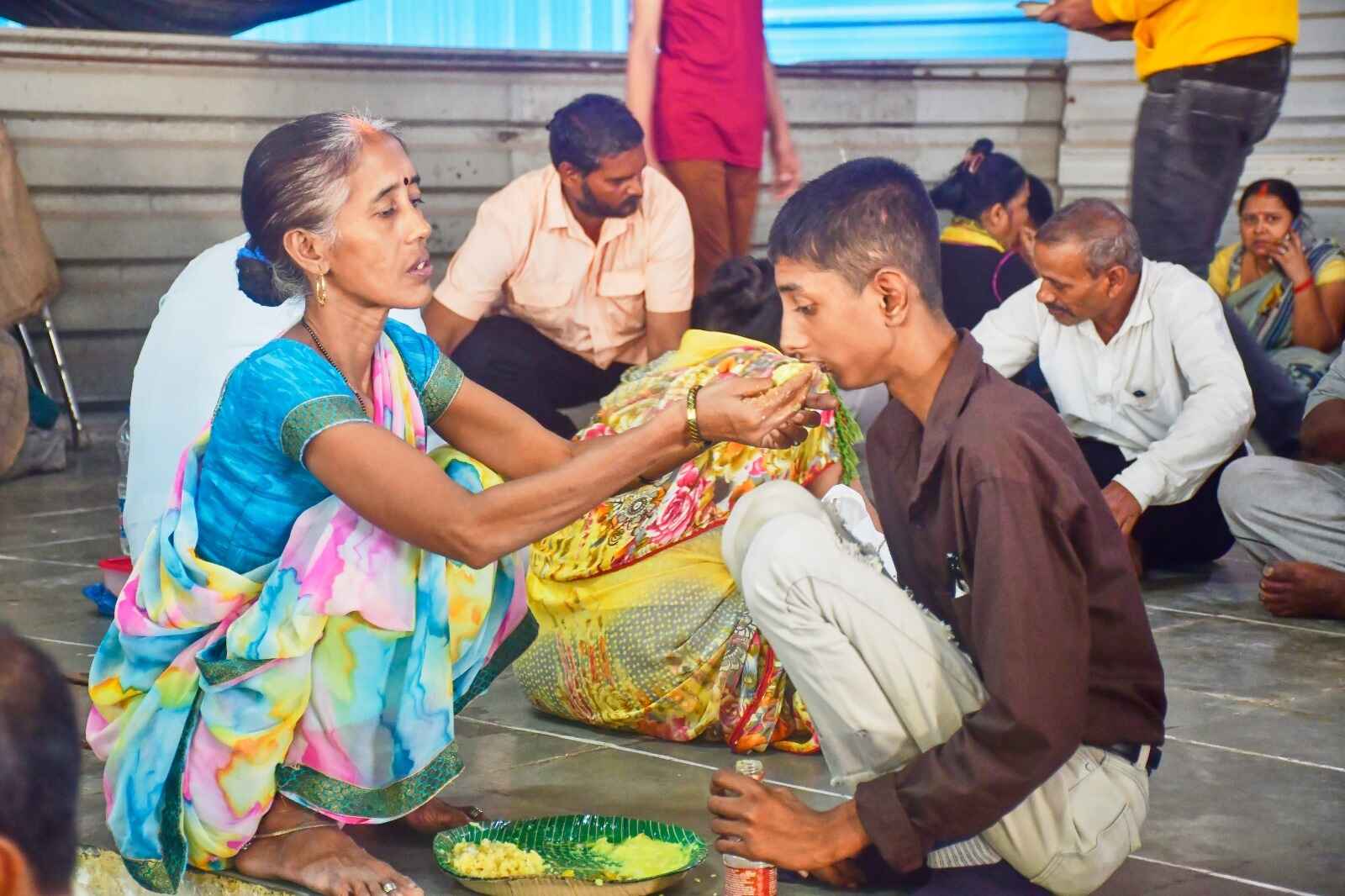
During Shradh, the pandit (priest) who performs the rituals is treated as a sacred representative of the ancestors themselves. According to Hindu scripture, what is offered to the pandit with devotion is believed to reach the departed soul directly. Knowing exactly what to give — and how to give it — ensures your Shradh is complete in both ritual and spirit.
This guide covers the traditional Shradh Daan list for pandits, the etiquette of offering dakshina, and how you can extend the same spirit of giving to support communities beyond the ritual itself.
Want to extend your daan further? Donate on Pitru Paksha →
Why Donating to Pandits Matters in Shradh
In Hindu tradition, the pandit performing Shradh acts as a conduit between the living family and Pitru Loka, the ancestral realm. Feeding and gifting the pandit is considered symbolically equivalent to feeding and gifting the ancestor directly.
"Brahmin Bhoj — feeding the learned priest — is the grandest ancestral feast. What he receives with devotion, your ancestor receives in spirit. — Garuda Purana"
This is why scripture lays out a fairly specific list of items considered appropriate for this offering — known collectively as Dakshina or Shradh Daan.
The Complete List: What to Donate to a Pandit During Shradh
1. Anna Daan (Cooked Food / Brahmin Bhoj)
The centrepiece of any Shradh offering to a pandit is a full, freshly cooked sattvic meal. Traditional menus include kheer (rice pudding), puri, seasonal vegetables, rice, dal (excluding restricted varieties), and sweets. The meal should be vegetarian, made without onion or garlic, and served with devotion.
2. Dakshina (Monetary Gift)
A cash offering given to the pandit as gratitude for performing the rituals. There is no fixed amount — scriptures emphasize sincerity over sum, though many families give according to their means and the complexity of the ritual performed. Dakshina should be given before the pandit rises from his seat after the meal — once he stands, the gift is considered a separate, later offering rather than part of the Shradh.
3. Vastra Daan (New Clothing)
Two main garments and accompanying undergarments — new or in pristine condition — are traditionally offered. For male priests, this typically includes a dhoti or kurta set.
4. Til Daan (Black Sesame Seeds)
Black sesame seeds are considered one of the most auspicious items to donate during Shradh, symbolising purity and the offering's connection to Tarpan rituals.
5. Ghrit Daan (Ghee)
Pure cow's milk ghee, offered in a small pot or container, is a traditional and well-regarded gift for the officiating pandit.
6. Dhaanya Daan (Grains)
Rice, wheat, and other staple grains are commonly offered after the Sankalp (intention-setting) is recited — symbolising sustenance and abundance shared with the priest.
7. Swarna Daan (Gold) — or Equivalent Dakshina
Traditionally, a small gold item was considered an ideal gift. In modern practice, where gold isn't feasible, an equivalent cash dakshina is offered instead.
8. Bhumi Daan (Symbolic Land Offering)
Wealthier families historically donated a small portion of land. Where this isn't practical, a symbolic gesture — a small piece of clay placed on a thali with sankalp, accompanied by dakshina — fulfils the same intention.
9. Gud Daan (Jaggery)
Jaggery is considered an auspicious and favourable item to include in the dakshina offering, often paired with grains.
10. Chhatra and Paduka (Umbrella and Footwear)
In some traditions, particularly during final rites and major Shradh observances, an umbrella and a pair of sandals are gifted to the pandit, symbolising protection and comfort for the journey ahead — both for the priest and, symbolically, for the departed soul.
Quick Reference: Pandit Dakshina Checklist
Item | Purpose / Significance |
| Cooked sattvic meal | Core Brahmin Bhoj offering; equivalent to feeding the ancestor |
| Cash Dakshina | Gratitude for performing the ritual; given before priest rises |
| New clothing (2 sets) | Vastra Daan; comfort and dignity for the officiant |
| Black sesame seeds | Til Daan; auspicious purity symbol |
| Ghee (cow's milk) | Ghrit Daan; nourishment offering |
| Rice / wheat / grains | Dhaanya Daan; sustenance symbol |
| Jaggery | Gud Daan; sweetness and auspiciousness |
| Umbrella & footwear (optional) | Protection symbolism in major rites |
How Many Pandits Should You Invite?
The number of priests invited for Shradh depends on the type of ceremony and the family's resources:
- Parvana Shradh (during Pitru Paksha or Amavasya): Traditionally 9 Brahmins are ideal; 3 is acceptable; at minimum, 1 sattvic, knowledgeable priest can perform the rite with full validity.
- Barsi (First Death Anniversary): As many priests as the family can comfortably host with sincerity — the Garuda Purana describes this as the grandest of ancestral feasts.
- Daily Shradh during Pitru Paksha: A single priest, or even simple home-performed Tarpan, is sufficient for daily observance.
Etiquette of Giving Dakshina to a Pandit
How you offer the gift matters as much as what you offer. Traditional etiquette includes:
- Prepare a tray (thali) with the dakshina (cash), a betel leaf, betel nut, a coin, a flower, and any other items being gifted — arranged neatly, not handed over loosely.
- Offer the tray respectfully with both hands, ideally while the priest is still seated after the meal.
- Avoid bargaining over the amount of dakshina — scripture explicitly discourages 'haggling' over a priest's fee, as it diminishes the spiritual value of the offering.
- Speak the ancestor's name and gotra (lineage) as part of the closing prayer, before the priest departs.
- See the priest off with respect — a simple gesture of touching feet or a respectful farewell completes the ritual appropriately.
Extending the Spirit: Beyond the Pandit's Plate
Traditional Shradh also calls for setting aside food for five recipients beyond the priest — known as Panchabali: a portion each for a cow, a dog, a crow, the destitute, and an ant or insect. This reflects the core philosophy of Shradh — that the merit of your offering is meant to ripple outward to all beings, not remain confined to a single ritual act.
In today's urban reality, many families find it difficult to feed cows, crows, or curate elaborate Panchabali setups. This is where extending your Anna Daan to a wider population — through a verified NGO — beautifully completes that same intention.
When you donate through Akshaya Chaitanya during Pitru Paksha, your contribution funds fresh, sattvic meals served to underprivileged children, hospital patients' families, and the homeless across Mumbai — fulfilling the same spirit of 'feeding beyond your own home' that Panchabali represents, at a scale that reaches thousands.
Frequently Asked Questions
Q1: Is there a minimum or fixed amount for Dakshina?
No fixed amount is prescribed. Scriptures emphasize that dakshina should be given according to one's means, with sincerity, rather than a specific sum. What matters is that it is offered respectfully and without negotiation.
Q2: Can I give cash instead of physical items like clothes or ghee?
Yes. In modern practice, many families consolidate gifts like clothing, ghee, or grains into an equivalent cash dakshina, especially when arranging Shradh through an organised pandit service. The intention behind the gift matters more than its physical form.
Q3: What if I cannot afford a full Brahmin Bhoj with multiple priests?
Tradition explicitly allows for simpler observance — even a single sattvic priest, or a humble offering of black sesame in water with a handful of sesame given as daan, is considered valid when done with sincerity.
Q4: Should I give dakshina before or after the meal?
Dakshina should be given while the priest is still seated, immediately after the meal concludes — before he rises. Once he stands and his feet touch the ground, any further gift is treated as a separate, later offering rather than part of the Shradh ritual itself.
Q5: Can non-Brahmins or NGOs receive Shradh-related donations?
Traditionally, Shradh daan offered as part of the ritual itself is given to Brahmin priests. However, the broader spirit of Anna Daan and charity during Pitru Paksha — feeding the poor and needy — is considered equally meritorious and is explicitly encouraged by scripture as a complementary act of giving.
Complete Your Shradh With a Full Circle of Giving
Honouring your pandit with the right offerings completes the ritual side of Shradh. Extending that same generosity to the wider community — through Anna Daan to those who are hungry — completes its spirit. Together, both acts fulfil the true purpose of Pitru Paksha: gratitude expressed in every direction.
This Pitru Paksha, extend your giving with Akshaya Chaitanya — NGO in Mumbai.
Explore all giving options: Donate to NGO Online
Frequently Asked Questions
Take Action
Be the reason someone
eats tonight.
Join 12,000+ donors funding hot, freshly cooked meals across India. 100% transparent. Tax-exempt under 80G.
What our customers say


630+ reviews
as on 29/07/2026

Manogya Gondela
a month ago
I had the opportunity to donate and serve food at one of the hospitals that Akshaya Chaitanya serves. It was a wonderful experience and truly inspiring to be part of such a meaningful initiative. The food quality was excellent and well prepared. 10/10 experience ♥️

Abhijit Goldar
a month ago
Really grateful to have found them. They helped arrange a food donation event on very short notice. Everything was well coordinated, professionally managed, and photos were shared promptly after the event. Great work!

Avani Patel
4 months ago
It is wonderful to have an NGO like this for people who cannot always volunteer physically. The donation process is simple and convenient, and I appreciate receiving updates and photos showing the impact of every contribution.

namrata avaghade
5 months ago
It has been an amazing experience with Akshaya Chaitanya. The volunteers are very helpful, and the guidance from the team made everything easy and inspiring. Proud to be associated with an organization that serves with heart and purpose.

riddhi sonkar
6 months ago
I have been volunteering at this food donation camp for patients’ relatives and I am truly proud of the work we do. The meals are fresh, hygiene is maintained, and distribution is well organized. A wonderful initiative supporting families during difficult times.

Kishor Waghmare
a year ago
My family joined a food donation drive at Chhatrapati Shivaji Maharaj Hospital, Kalwa. It was a wonderful experience. The volunteers were supportive, the arrangements were excellent, and serving those in need brought joy to all of us. I encourage everyone to support this noble cause.
✅ FCRA Registered · 80G Tax Exempt · FSSAI Certified