Donation & Charity(Food donati...
July 29, 2026
10 min read
Last updated: July 29, 2026
Rituals of Pitru Paksha and Shradh: A Complete Step-by-Step Guide
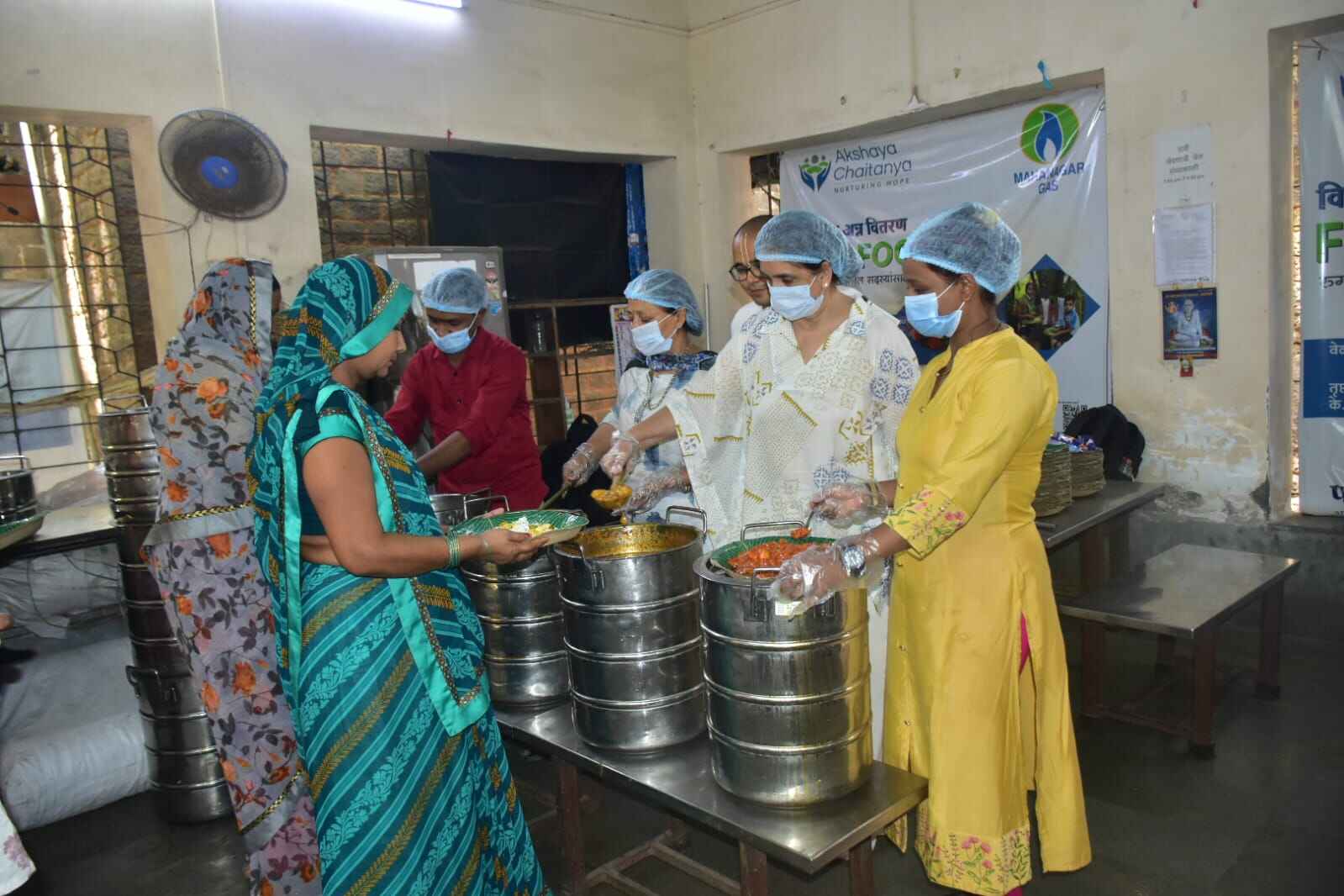
Pitru Paksha (September 26 – October 10, 2026) involves a specific sequence of rituals designed to honour departed ancestors, aid their spiritual journey, and fulfil one's ancestral duty (Pitru Rina). For many people, especially those performing these rites for the first time, the exact sequence and meaning of each ritual can feel overwhelming.
This guide breaks down every major ritual of Pitru Paksha and Shradh — in the correct order, with clear explanations — so you can observe the period with confidence and devotion.
Want to complete your Shradh with Anna Daan? Donate on Pitru Paksha →
The Complete Ritual Sequence: An Overview
A full Shradh ceremony during Pitru Paksha typically follows this order:
- Preparation and Purification
- Sankalp (Setting Intention)
- Tarpan (Water Offering)
- Pind Daan (Rice Ball Offering)
- Puja and Homam (Fire Ritual)
- Panchabali (Offering to Five Recipients)
- Brahmin Bhojan (Feeding the Priest)
- Daan (Charitable Donation)
Let's walk through each step in detail.
Step 1: Preparation and Purification
The ritual begins well before any prayers are recited. On the day of Shradh:
- Bathe early in the morning, ideally before sunrise.
- Wear simple, clean clothes — a dhoti for men, a simple saree for women.
- Avoid leather items, including belts, footwear, and wallets, during the ritual.
- Clean the puja space and prepare a sacred area, often with a white cloth, with barley or black sesame seeds spread upon it.
- Some traditions involve wearing a ring made of Kusha grass, symbolising the invocation of ancestral energy.
Step 2: Sankalp (Setting the Intention)
Before any offering begins, the karta (the person performing the ritual, typically the eldest son) recites a Sankalp — a formal declaration stating:
- The name of the ancestor(s) being honoured
- The family's gotra (lineage)
- The specific tithi or occasion (e.g., Sarvapitri Amavasya)
- The clear intention behind the ritual — to honour, nourish, and seek the liberation of the ancestor's soul
This step is considered essential — without a clear sankalp, the ritual is believed to lack spiritual direction.
Step 3: Tarpan (Water Offering)
Tarpan is the offering of water to the ancestors, performed to symbolically quench their spiritual thirst. The procedure:
- Take water in a copper vessel.
- Add black sesame seeds (til), barley, and a few blades of Kusha grass.
- Face south — the direction associated with Pitru Loka, the ancestral realm.
- Pour the water slowly while chanting the ancestor's name and gotra.
- Repeat the offering for three generations — father's lineage, mother's lineage, and the broader ancestral line — as guided by the officiating priest.
Step 4: Pind Daan (Rice Ball Offering)
Pind Daan follows Tarpan and involves offering pindas — balls made of cooked rice, barley flour, black sesame, ghee, and honey:
- Prepare the pindas and place them on a banana leaf or sacred Kusha grass.
- Typically, three pindas are offered — representing the father, grandfather, and great-grandfather (or corresponding female ancestors).
- Water is sprinkled around the offering by hand as mantras are recited.
- This step is considered to provide the ancestor's soul with a symbolic body and direct nourishment for its journey.
Pind Daan is traditionally considered most powerful when performed at sacred sites like Gaya, Prayagraj, Varanasi, or Haridwar — though it can also be performed at home under a qualified priest's guidance.
Step 5: Puja and Homam (Fire Ritual)
Many Shradh ceremonies include a Homam — a fire ritual in which the priest chants Vedic hymns and Pitru Stotras (hymns dedicated to ancestors), inviting the souls from Pitru Loka to accept the family's offerings. The Gayatri Mantra and specific Pitru mantras are commonly recited at this stage.
Step 6: Panchabali (Offering to Five Recipients)
Before the family itself eats, a portion of the prepared food is traditionally set aside for five recipients, known as Panchabali:
- A cow — considered sacred and a vehicle for the soul's journey
- A dog — believed to be connected to Yama, the god of death
- A crow — considered a direct messenger of the ancestors; if crows accept the food, it is taken as a sign the offering was received
- The destitute or needy — extending the ritual's compassion to the living poor
- Ants or small creatures — representing the full circle of life that the ritual seeks to nourish
Step 7: Brahmin Bhojan (Feeding the Priest)
The priest who has performed the ritual is then served a complete, freshly prepared sattvic meal — typically including rice, dal, kheer (rice pudding), puri, and seasonal vegetables, with onion, garlic, and restricted lentils excluded. This act is considered symbolically equivalent to feeding the ancestor directly.
After the meal, the priest is offered dakshina (a monetary gift) and, in many traditions, new clothing — given respectfully before he rises from his seat.
Step 8: Daan (Charitable Donation)
The ceremony concludes with daan — charitable donation extending the ritual's merit to the wider community. This is where Anna Daan, considered the highest form of charity by the Garuda Purana, takes centre stage.
"Anna danam param danam, vidya danam tatah param. Pitra-rin-vimochanam cha, pinda danam vishishyate. — Garuda Purana"
Common items donated at this stage include food, clothing, grains, sesame seeds, and money — given either to the priest, to the poor directly, or through a verified charitable organisation.
Quick Reference: The Shradh Ritual Sequence
| Step | Ritual | Purpose |
| 1 | Preparation & Purification | Bathing, clean clothes, sacred space setup |
| 2 | Sankalp | Setting formal intention; naming ancestor and gotra |
| 3 | Tarpan | Water offering to quench ancestor's spiritual thirst |
| 4 | Pind Daan | Rice ball offering; nourishes the soul, aids liberation |
| 5 | Puja & Homam | Fire ritual inviting ancestral souls to accept offerings |
| 6 | Panchabali | Food set aside for cow, dog, crow, needy, and small creatures |
| 7 | Brahmin Bhojan | Feeding the priest as a proxy for the ancestor |
| 8 | Daan | Charitable donation — Anna Daan, clothing, grains, money |
Daily Rituals vs. Tithi-Specific Rituals
Not every day of Pitru Paksha requires the full eight-step sequence above. There are two levels of observance:
Daily Practices (All 16 Days)
- Simple morning Tarpan
- Maintaining a sattvic, vegetarian diet
- Feeding crows, cows, or dogs that visit
- General acts of charity and kindness
Full Shradh Ritual (On the Specific Tithi)
- The complete eight-step sequence described above
- Performed on the exact lunar day (tithi) corresponding to the ancestor's death
- If the tithi is unknown, performed on Sarvapitri Amavasya (October 10, 2026)
What If You Cannot Perform the Full Ritual?
Many people today — due to distance, lack of access to a priest, or simply unfamiliarity with the precise steps — cannot perform the complete traditional Shradh. Scripture offers reassurance here: sincerity matters more than ritual perfection.
If a full ceremony isn't feasible, a simplified, equally valid approach includes:
- Performing simple Tarpan at home, even without a priest.
- Maintaining the sattvic diet and respectful conduct throughout the period.
- Completing the Daan component through Anna Daan — donating food in your ancestor's name through a trusted organisation.
This approach captures the essential spirit of Shradh — remembrance, purification, and charity — even without access to a full ceremonial setup.
Complete Your Rituals With Meaningful Anna Daan
Whichever path you choose — full traditional Shradh or a simplified home observance — the Daan component remains universally accessible and powerful. Akshaya Chaitanya's Pitru Paksha programme allows you to dedicate fresh, hot meals to underprivileged children, hospital patients' families, and the homeless across Mumbai, completing the charitable step of your Shradh ritual with verified, transparent impact.
Frequently Asked Questions
Q1: Can Shradh rituals be performed without a priest?
Simple Tarpan and Anna Daan can be performed independently. However, Pind Daan and the fire ritual (Homam) are traditionally guided by a qualified priest who knows the correct mantras and sequence.
Q2: What is the best time of day to perform these rituals?
The Aparahna Kaal (early-to-mid afternoon, roughly 1:00 PM to 3:30 PM) is the scripturally prescribed time for Shradh rituals, as detailed in the Manu Smriti. Rituals should not be performed during the evening, night, dawn, or dusk.
Q3: How many pindas are typically offered during Pind Daan?
Traditionally, three pindas are offered, representing the father, grandfather, and great-grandfather (or the equivalent female ancestors), though the exact number can vary based on family tradition and priest guidance.
Q4: Is it necessary to do all eight steps every single day of Pitru Paksha?
No. The full eight-step ceremony is typically reserved for the ancestor's specific tithi or for Sarvapitri Amavasya. Daily observance throughout the fortnight usually involves simpler practices like Tarpan and dietary discipline.
Q5: Can women perform these rituals?
Traditionally the eldest son performs Shradh, but many families today welcome daughters, mothers, and other relatives to perform Tarpan, Pind Daan, and Daan, particularly in the absence of male heirs or as an expression of equal devotion.
Q6: What ritual step is most important if I have limited time?
If time or resources are limited, prioritise the Sankalp (intention), a simple Tarpan, and Anna Daan (food donation). Together, these three capture the core spiritual essence of Shradh — even without the complete eight-step ceremony.
Ritual With Devotion, Not Just Procedure
The rituals of Pitru Paksha — from Tarpan to Pind Daan to Daan — exist as a structured way to express something deeply personal: gratitude, remembrance, and love for those who came before us. Following the steps with sincerity matters far more than achieving ritual perfection.
Complete your Shradh rituals this Pitru Paksha 2026 with Akshaya Chaitanya — NGO in Mumbai.
Explore all giving options: Donate to NGO Online
Frequently Asked Questions
Take Action
Be the reason someone
eats tonight.
Join 12,000+ donors funding hot, freshly cooked meals across India. 100% transparent. Tax-exempt under 80G.
What our customers say


630+ reviews
as on 29/07/2026

Manogya Gondela
a month ago
I had the opportunity to donate and serve food at one of the hospitals that Akshaya Chaitanya serves. It was a wonderful experience and truly inspiring to be part of such a meaningful initiative. The food quality was excellent and well prepared. 10/10 experience ♥️

Abhijit Goldar
a month ago
Really grateful to have found them. They helped arrange a food donation event on very short notice. Everything was well coordinated, professionally managed, and photos were shared promptly after the event. Great work!

Avani Patel
4 months ago
It is wonderful to have an NGO like this for people who cannot always volunteer physically. The donation process is simple and convenient, and I appreciate receiving updates and photos showing the impact of every contribution.

namrata avaghade
5 months ago
It has been an amazing experience with Akshaya Chaitanya. The volunteers are very helpful, and the guidance from the team made everything easy and inspiring. Proud to be associated with an organization that serves with heart and purpose.

riddhi sonkar
6 months ago
I have been volunteering at this food donation camp for patients’ relatives and I am truly proud of the work we do. The meals are fresh, hygiene is maintained, and distribution is well organized. A wonderful initiative supporting families during difficult times.

Kishor Waghmare
a year ago
My family joined a food donation drive at Chhatrapati Shivaji Maharaj Hospital, Kalwa. It was a wonderful experience. The volunteers were supportive, the arrangements were excellent, and serving those in need brought joy to all of us. I encourage everyone to support this noble cause.
✅ FCRA Registered · 80G Tax Exempt · FSSAI Certified