Donation & Charity(Food donati...
September 3, 2026
8 min read
Last updated: September 3, 2026
Navratri Vrat 2026: Complete Fasting Guide & Its Deeper Meaning
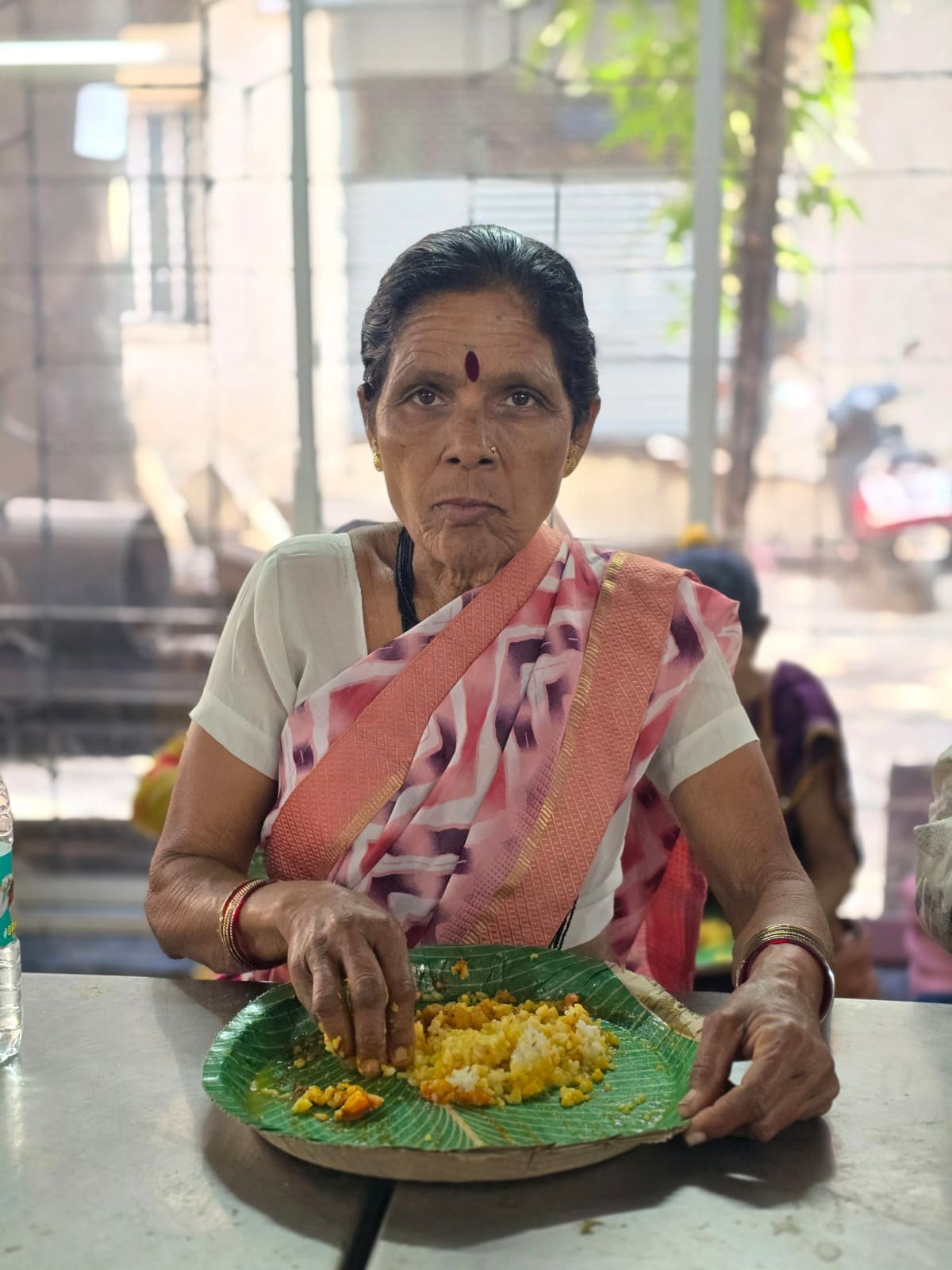
For millions of devotees, Navratri isn't just nine days of puja and celebration; it's nine days of vrat, a period of disciplined fasting undertaken as an act of devotion, purification, and self-restraint. Whether you're observing your first Navratri vrat this year or you've kept it every year since childhood, understanding both the practical rules and the deeper purpose behind the fast adds real meaning to what can otherwise become simply a list of dietary restrictions to follow.
Who Observes Navratri Vrat and Why
Navratri vrat is observed by devotees across India, with variations in strictness and duration based on individual capacity, family tradition, and personal devotion. Some observe a complete fast for all nine days, consuming only water or specific permitted liquids. Others follow a modified fast, eating once a day or adhering to a restricted food list without complete abstinence. Still others fast only on specific days, commonly the first and last (Ghatasthapana and Navami), or on Ashtami and Navami specifically.
The underlying purpose across all these variations is consistent: vrat is understood as a discipline of the body intended to support clarity and discipline of the mind, creating the right internal conditions for the nine days of devotion to Goddess Durga. It's less about denial for its own sake, and more about temporarily setting aside ordinary indulgence to create space for focused spiritual practice.
Navratri Vrat Rules: What's Allowed and What's Not
While specific practices vary by family and region, a few broad rules are widely followed:
- Grains such as wheat, rice, and regular flour are typically avoided, replaced with alternatives like buckwheat flour (kuttu), water chestnut flour (singhara), and amaranth flour (rajgira)
- Regular table salt is often replaced with rock salt (sendha namak)
- Onion and garlic are avoided, considered tamasic (associated with heaviness and inertia) in fasting food traditions
- Non-vegetarian food and alcohol are strictly avoided
- Lentils and regular pulses are generally avoided, though some traditions permit specific ones
- Fruits, dairy, and certain vegetables like potato, pumpkin, and cucumber are widely permitted
These rules aren't uniform across every region or family; South Indian, Bengali, and North Indian fasting traditions each carry their own specific customs, so it's worth confirming what your own family tradition follows rather than assuming a single universal rule set applies everywhere.
Sattvic Food List for Navratri Fasting
A typical day of Navratri vrat food might include: a breakfast of sabudana (sago) khichdi or kuttu ka paratha, a mid-day snack of roasted makhana (fox nuts) or fruit, and an evening meal of singhare ke atte ki poori with aloo sabzi, or a simple kuttu-based dish. Buttermilk, coconut water, and fresh fruit juices are popular through the day to maintain energy and hydration, particularly for those observing a strict fast alongside regular daily responsibilities like work.
For those newer to vrat, it's worth planning meals a day or two in advance, since many of the specific flours and ingredients used aren't typically kept in stock in a regular kitchen and may need to be sourced ahead of time.
Managing Vrat Alongside Work and Daily Life
One of the most common concerns for first-time or occasional observers is how to manage a fast alongside a demanding work schedule or daily responsibilities. A few practical strategies that experienced observers often share: keeping a stock of makhana, dry fruits, and fruit on hand for quick energy through the day, staying well hydrated with coconut water or buttermilk rather than relying solely on tea or coffee, and being realistic about the intensity of the fast chosen. A modified, once-a-day fasting pattern is entirely valid if a complete fast isn't sustainable alongside work or health considerations, and there's no spiritual hierarchy that ranks a stricter fast as inherently more virtuous than a well-considered, sustainable one.
Families with children observing their first vrat often ease them in gradually, allowing a modified version, perhaps skipping only one meal or avoiding only specific foods, rather than expecting a full nine-day fast from the outset. This graduated approach tends to build a lasting, positive relationship with the practice rather than an experience of hardship that discourages future observance.
Breaking Your Fast the Right Way
If you've observed a strict Navratri vrat, particularly across all nine days, breaking the fast gradually rather than abruptly is generally recommended, both for physical comfort and as a matter of tradition. Many families begin with something light, like fruit or a small amount of khichdi, before returning to a regular diet over the following day, rather than immediately resuming heavier, regular meals.
Navami, the ninth day, is traditionally when many devotees formally conclude their vrat, often following Kanya Pujan and a final aarti, treating the meal that follows as both a practical need and a small celebration marking the fast's completion.
Donate the Meal You're Skipping
There's a natural, powerful connection between fasting and giving that Hindu tradition has long recognised, even if it isn't always spelled out explicitly. When you fast, you are, in a very real sense, setting aside a meal, an act of voluntary restraint undertaken for spiritual purpose. For someone experiencing hunger involuntarily, without any element of choice or spiritual framing, that same absence of food is simply hardship.
This connection is worth sitting with directly this Navratri: what if the meal you're voluntarily setting aside could become sustenance for someone who has no such choice? Akshaya Chaitanya's Navratri donation programme makes this a simple, tangible act. Every ₹25 donated funds one complete meal for someone in need across Mumbai, prepared fresh and delivered the same day, with an 80G tax exemption receipt for your contribution. Consider donating the approximate value of the meal you're skipping each day of your vrat, turning nine days of personal discipline into nine days of impact for someone else. If you'd like to extend this practice beyond Navratri, our general food donation programme and main donation page remain open year-round.
Donate the meal you're skipping today: https://akshayachaitanya.org/donate/charity-on-navratri
Frequently Asked Questions
Do I need to fast for all nine days of Navratri to observe vrat properly?
No. Many devotees fast on select days, commonly the first and last, or Ashtami and Navami specifically, based on personal capacity and family tradition. Partial observance is widely accepted.
What foods are typically avoided during Navratri vrat?
Regular grains, onion, garlic, non-vegetarian food, alcohol, and most regular lentils are commonly avoided, with buckwheat flour, water chestnut flour, and rock salt used as substitutes.
Can I still observe vrat if I have a medical condition requiring regular food intake?
Yes. Tradition generally prioritises health and wellbeing over strict fasting, and modified or symbolic observance is widely considered acceptable for those with medical needs.
How can fasting connect to an act of charity?
Many devotees choose to donate the value of the meal they're skipping, treating their vrat as an opportunity to fund a meal for someone experiencing hunger involuntarily, an idea directly supported through Akshaya Chaitanya's Navratri donation page.
This Navratri, let your vrat feed someone else too: donate the meal you're skipping and complete your fast with an act of giving.
Frequently Asked Questions
Take Action
Be the reason someone
eats tonight.
Join 12,000+ donors funding hot, freshly cooked meals across India. 100% transparent. Tax-exempt under 80G.
What our customers say


630+ reviews
as on 04/09/2026

Manogya Gondela
a month ago
I had the opportunity to donate and serve food at one of the hospitals that Akshaya Chaitanya serves. It was a wonderful experience and truly inspiring to be part of such a meaningful initiative. The food quality was excellent and well prepared. 10/10 experience ♥️

Abhijit Goldar
a month ago
Really grateful to have found them. They helped arrange a food donation event on very short notice. Everything was well coordinated, professionally managed, and photos were shared promptly after the event. Great work!

Avani Patel
4 months ago
It is wonderful to have an NGO like this for people who cannot always volunteer physically. The donation process is simple and convenient, and I appreciate receiving updates and photos showing the impact of every contribution.

namrata avaghade
5 months ago
It has been an amazing experience with Akshaya Chaitanya. The volunteers are very helpful, and the guidance from the team made everything easy and inspiring. Proud to be associated with an organization that serves with heart and purpose.

riddhi sonkar
6 months ago
I have been volunteering at this food donation camp for patients’ relatives and I am truly proud of the work we do. The meals are fresh, hygiene is maintained, and distribution is well organized. A wonderful initiative supporting families during difficult times.

Kishor Waghmare
a year ago
My family joined a food donation drive at Chhatrapati Shivaji Maharaj Hospital, Kalwa. It was a wonderful experience. The volunteers were supportive, the arrangements were excellent, and serving those in need brought joy to all of us. I encourage everyone to support this noble cause.
✅ FCRA Registered · 80G Tax Exempt · FSSAI Certified