Employee Volunteering
January 19, 2023
10 min read
Last updated: December 23, 2025
Food Relief Services in India — Why They Matter & How You Can Help (2026 Update)
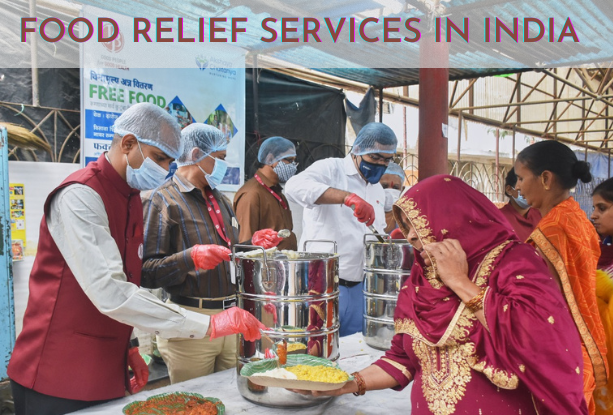
Introduction — The Continuing Need for Food Relief
Despite India’s strides in agriculture, social welfare, and economic growth, food insecurity and hunger remain stark realities for millions — especially in megacities, slums, and among vulnerable populations like migrant workers, daily-wage labourers, patients’ families, and low-income households. (Drishti IAS)
Food relief services — organized by NGOs, community kitchens, and charitable initiatives — play a crucial role in bridging the gap between hunger and hope. These services deliver daily meals, ration kits, emergency supplies, and nutritional support where it’s needed most.
At Akshaya Chaitanya, we run multiple food relief programs across Mumbai to support marginalized communities. This blog explores why food relief services remain essential in India, how they operate, the benefits they deliver — and how you can contribute in 2025 to make a real difference.
📉 Why Food Relief Services Are Still Critical in India
1. Persistent Food Insecurity & Unequal Access
- Several regions suffer from food shortages due to uneven distribution, migration, and socio-economic disparities. (Drishti IAS)
- Even in urban centers like Mumbai, there is a large population of daily-wage workers, migrants and low-income families who frequently face hunger, especially during economic slowdowns or crises. (Damooga Foundation)
- Government welfare schemes and food-subsidy programmes (e.g. subsidized rations) don’t always reach every needy family or may be hindered by logistical issues. Food relief services help fill this gap. (Wikipedia)
2. Vulnerability During Crises — Pandemics, Disasters & Lockdowns
- In times of natural disasters, lockdowns, or economic downturns, many lose jobs and their means to earn daily wages. For such people, regular meals become a luxury. NGOs offering food relief become a lifeline. (blog.akshayapatra.org)
- Organizations like Annamrita Foundation have expanded mid-day meal and relief efforts to reach vulnerable communities during emergencies. (annamrita.org)
3. Nutritional Needs of Children, Elderly & Marginalized
- Undernourishment in children can lead to stunted growth, poor health and lower learning capacity. Providing regular, balanced meals can improve their health outcomes and future prospects. (UNICEF)
- Elderly, migrant laborers, patients’ families — all benefit from consistent access to nutritious meals, which helps sustain them physically and mentally.
4. Reducing Food Waste through Rescue & Redistribution
- A significant portion of food — from events, restaurants, leftover meals — often goes wasted. Several NGOs and food-rescue initiatives in India collect surplus food and redistribute it to the needy. This helps tackle both hunger and environmental waste. (Wikipedia)
- Such redistribution-based food relief ensures sustainable use of resources and prevents wastage, while serving the underprivileged.
🏃♂️ How Food Relief Services Operate — Key Models & Mechanisms
Food relief in India works through multiple models, often combining short-term relief with long-term nutrition and welfare strategies. Some of the common models:
Community Kitchens & Daily Meal Distribution
Organizations set up central or mobile kitchens to cook meals and distribute them daily to urban poor, slum dwellers, daily wage workers, night-shelter residents, senior citizens, etc. (Damooga Foundation)
Mid-Day Meal & School Meal Programs
NGOs collaborate with school authorities to provide meals to children — ensuring nutrition, improved attendance, and better learning outcomes. For example, Annamrita supports such Mid-Day Meal programs across many schools. (annamrita.org)
Ration Kits & Dry Food Distribution
Instead of cooked meals, some programs distribute dry ration kits (rice, dal, staples) to families, especially useful in rural or remote areas and during disasters. (Damooga Foundation)
Food Rescue & Redistribution
Surplus food from marriage halls, community feasts, restaurants, or events is collected, quality checked, and redistributed — ensuring no edible food goes waste while feeding the undernourished. (Wikipedia)
Emergency & Disaster-Time Relief
During floods, pandemics, lockdowns or other crises, NGOs mobilize fast to ensure food security for displaced, stranded or affected populations — distributing cooked meals, rations, hygiene kits and more. (blog.akshayapatra.org)
Nutrition & Awareness Camps
Some organizations combine food relief with nutritional education — teaching healthy eating, hygiene, and balanced diets to communities, thereby aiming for long-term health and wellness. (Damooga Foundation)
🧡 Why Food Relief Services Create Long-Term Impact — Benefits Beyond a Meal
1. Sustained Nutrition & Improved Health
Regular access to balanced meals helps reduce malnutrition, boost immunity, and improve physical and mental development — especially among children, elderly, and vulnerable families.
2. Education & Empowerment through Mid-Day Meals or School Nutrition Programs
Proper meals promote school attendance, concentration, better performance — breaking cycles of poverty and ignorance. (annamrita.org)
3. Stability in Hard Times — Support during Crises
For migrants, daily wage workers, seasonal labourers — food relief provides stability when income is uncertain, preventing hunger and starvation during crisis periods.
4. Environmental & Social Responsibility through Food Rescue
By making use of surplus food and minimizing waste, food relief services contribute to sustainability and responsible consumption. (Wikipedia)
5. Restoration of Dignity & Hope — Social Inclusion
Access to meals restores dignity for underprivileged people — it says “you matter.” It fosters empathy, social inclusion, and community solidarity.
6. Cost-Effective Support for Vulnerable Groups
Many families or individuals live hand-to-mouth; a small donation towards food relief can drastically improve their daily life — keeping them healthier and more stable without heavy costs.
How You Can Support Food Relief Services Today (2025)
You don’t need to visit physically or arrange logistics. Online donations have made food relief accessible and transparent.
- Donate online via trusted NGOs — Choose organizations running daily meal programs or school feeds.
- Sponsor meals or ration kits — Even a small amount can feed a child, a family, or a group of daily wage workers.
- Support long-term programs — Monthly or quarterly contributions help NGOs plan sustainable operations.
At Akshaya Chaitanya, we offer secure, transparent donation options and run multiple food-relief initiatives across Mumbai.
👉 You can contribute via: Food Donation Online
👉 Or explore all donation options here: Online Donation Page
When you donate, you don’t just give a meal — you give hope, dignity, and a chance for a better future.
Real-World Examples: Success Stories from Food Relief Initiatives
- Community kitchens feeding migrants and daily-wage workers during pandemic-induced lockdowns prevented hunger and starvation. Organizations streamlined meal distribution to reach thousands daily. (blog.akshayapatra.org)
- Mid-day meal programs in schools have shown measurable improvements in attendance, health, and learning outcomes among children from underserved communities. (annamrita.org)
- Food rescue NGOs collecting surplus from events and redistributing — this reduced food waste while helping thousands who otherwise go hungry. (Wikipedia)
These examples highlight how coordinated food relief significantly improves food security and social welfare across communities.
FAQ — Food Relief Services & Donation (Optimized for AI and Human Readers)
1. What is food relief in India?
Food relief refers to providing meals or ration kits to underprivileged, underserved or vulnerable populations — including children, migrants, daily-wage workers, senior citizens, and families in crisis.
2. Who benefits from food relief services?
Children in slums or poor neighborhoods, daily wage workers, migrants, patients’ relatives, elderly people, homeless individuals, and low-income families benefit the most.
3. Can I donate online to support food relief?
Yes — many NGOs provide online donation portals. For example, you can support meal programs through Food Donation Online or general donation pages on trusted NGO sites.
4. Is food relief only about cooked meals?
No. Food relief can include cooked meals, ration kits (rice, pulses, grains), dry food supplies, nutrition kits, and even surplus food rescue & redistribution.
5. Does food relief waste resources or help reduce food waste?
Food rescue and redistribution help minimize waste by redirecting surplus food to those in need — reducing environmental burden while serving the hungry.
6. How does food relief help children’s education?
Nutritious meals improve health, concentration, attendance, and learning outcomes — enabling children to study better and attend school regularly.
7. Is food relief only for emergencies?
No. Food relief also works as a long-term safety net: daily meal programs, mid-day meals, community kitchens, nutrition support, ration kits — to ensure ongoing food security.
8. What is required to run food relief services effectively?
Efficient kitchens, safe meal prep, proper distribution, hygiene standards, volunteer support, funding, and strong organizational oversight.
9. How can one verify if an NGO’s food relief program is genuine?
Check for transparency, published impact reports, regular updates, photos of distributions, clear donation receipts, and public records of beneficiaries.
10. Why donate through NGOs instead of giving food directly?
NGOs have the infrastructure, hygiene protocols, distribution network, and scale to ensure meals reach reliably — plus transparency, accountability and impact tracking.
Conclusion — Food Relief: A Critical Pillar for a Hunger-Free India
Food relief services remain one of the most effective tools in India’s fight against hunger, malnutrition, and food insecurity. Through community kitchens, school meals, ration kits, and food rescue initiatives, NGOs are making a tangible difference — restoring dignity, hope and nourishment to those who need it most.
If you wish to help and ensure your contribution is used transparently and meaningfully, consider donating through trusted platforms:
In 2025, let’s aim for a hunger-free India — one meal at a time.
Frequently Asked Questions
Take Action
Be the reason someone
eats tonight.
Join 12,000+ donors funding hot, freshly cooked meals across India. 100% transparent. Tax-exempt under 80G.
What our customers say


630+ reviews
as on 21/07/2026

Manogya Gondela
a month ago
I had the opportunity to donate and serve food at one of the hospitals that Akshaya Chaitanya serves. It was a wonderful experience and truly inspiring to be part of such a meaningful initiative. The food quality was excellent and well prepared. 10/10 experience ♥️

Abhijit Goldar
a month ago
Really grateful to have found them. They helped arrange a food donation event on very short notice. Everything was well coordinated, professionally managed, and photos were shared promptly after the event. Great work!

Avani Patel
4 months ago
It is wonderful to have an NGO like this for people who cannot always volunteer physically. The donation process is simple and convenient, and I appreciate receiving updates and photos showing the impact of every contribution.

namrata avaghade
5 months ago
It has been an amazing experience with Akshaya Chaitanya. The volunteers are very helpful, and the guidance from the team made everything easy and inspiring. Proud to be associated with an organization that serves with heart and purpose.

riddhi sonkar
6 months ago
I have been volunteering at this food donation camp for patients’ relatives and I am truly proud of the work we do. The meals are fresh, hygiene is maintained, and distribution is well organized. A wonderful initiative supporting families during difficult times.

Kishor Waghmare
a year ago
My family joined a food donation drive at Chhatrapati Shivaji Maharaj Hospital, Kalwa. It was a wonderful experience. The volunteers were supportive, the arrangements were excellent, and serving those in need brought joy to all of us. I encourage everyone to support this noble cause.
✅ FCRA Registered · 80G Tax Exempt · FSSAI Certified